Cook Your Heart Out: A Lebanese Home Dinner Date That Will Actually Wow Your Partner
There's a particular kind of nervousness that comes with cooking your culture's food for someone you're trying to impress. You want it to be authentic. You want it to be approachable. You want them to understand, through a single bite, why food has always been such a big deal in your family. And you want to pull all of that off without turning your kitchen into a disaster zone two hours before they arrive.
If you're Lebanese — or Lebanese-American — and you're planning a dinner date for a partner who grew up on pasta and pizza, this one's for you. Here's how to make Lebanese home cooking feel romantic, personal, and totally doable.
Start With the Story, Not the Recipe
Before you even think about what to cook, think about what you want your partner to feel. Lebanese food isn't just a collection of dishes — it's a language. Every plate on the table has a backstory: a grandmother who made it every Sunday, a market in Beirut where the spices smelled like nothing else on earth, a summer afternoon where everyone sat outside until midnight eating and laughing.
When you share that context — even just a sentence or two as you set each dish down — you transform a meal into an experience. "My teta used to make this every time we visited" hits differently than just passing the hummus. You're not just feeding someone. You're letting them into something.
The Foolproof Menu That Doesn't Overwhelm Either of You
The temptation is to go big. Twelve dishes, full mezze spread, every dip and salad and skewer you know how to make. Resist that urge — at least for a first date dinner. The goal is intimacy, not a catering event.
Instead, think in layers: one or two dips, a fresh salad, one warm main, and something sweet to finish.
Muhammara is your secret weapon opener. This roasted red pepper and walnut dip is smoky, slightly sweet, and just complex enough to make people ask questions. Serve it with warm pita and a drizzle of olive oil. It's easy to make ahead, looks gorgeous on the table, and almost nobody outside of Middle Eastern households has tried it — which instantly makes you interesting.
Fattoush is your salad. It's bright, crunchy, herby, and dressed with pomegranate molasses and sumac — flavors that are genuinely unlike anything in mainstream American salad culture. The toasted pita chips on top give it texture that people absolutely love. Make it right before they arrive so it stays crisp.
For the main, chicken shawarma baked in the oven is your best friend here. Marinate the chicken the night before in a blend of Lebanese seven spice, garlic, lemon juice, and olive oil, then roast it low and slow until it's falling apart. Serve it with a simple garlic sauce (toum, if you're feeling ambitious — or store-bought if you're not, no judgment) and some warm flatbread. It's familiar enough not to intimidate, but deeply flavorful in a way that feels completely new.
Finish with layali lubnan — Lebanese nights pudding — which is a semolina cream topped with rose water-scented whipped cream and a scatter of pistachios. It's light, floral, and almost impossibly elegant for how easy it is to make. Plus, the name alone — "Lebanese nights" — sets the mood.
Setting the Table Lebanese-Style
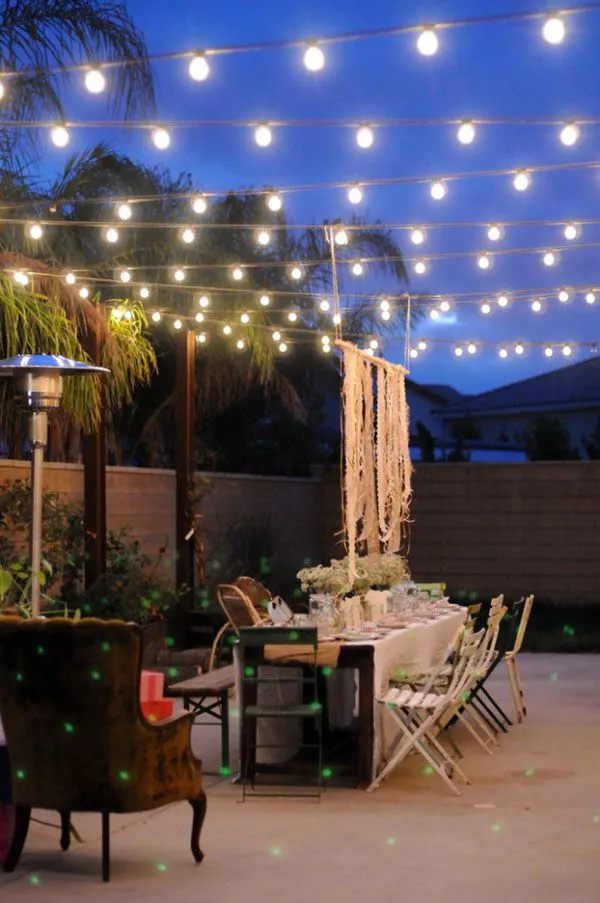
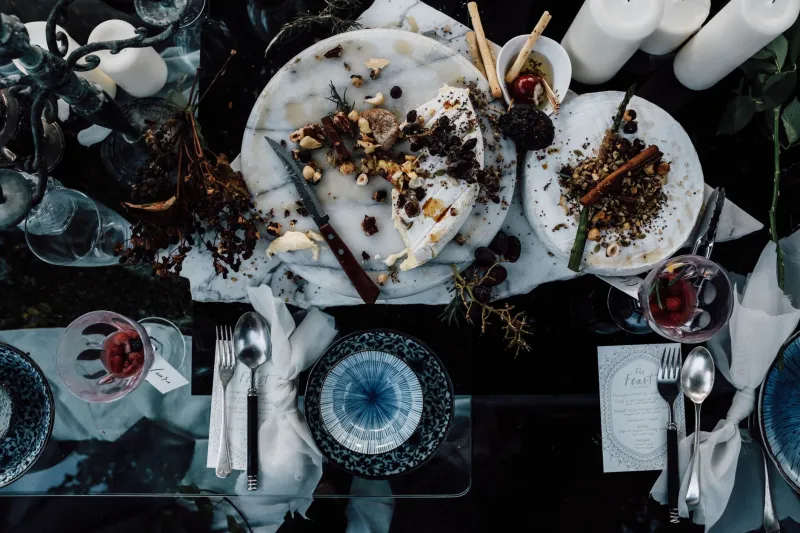
Forget the perfectly matched dinnerware and the folded napkins. Lebanese hosting is warm, generous, and a little bit abundant. Put everything on the table at once (except the main, which you can bring out after). Use small bowls, mismatched plates if that's what you have, fresh herbs scattered around, a bowl of olives, maybe some radishes and sliced cucumber on the side.
Lighting matters. Candles, obviously. But also: dim the overheads, put on some low-key background music — classic Fairuz is a beautiful choice if your partner is open to it, or go with a modern Arabic-influenced playlist if you want something more contemporary. The atmosphere should feel like you've been transported somewhere slower and warmer.
What to Drink: Pairing Made Simple
If your partner drinks wine, Château Ksara Blanc de Blancs or any crisp Lebanese white is the dream pairing for a mezze-forward spread. If you can't find Lebanese wine at your local shop (check Middle Eastern grocery stores or Total Wine), a dry Albariño or a Grüner Veltliner works beautifully with the lemony, herby flavors.
For something red alongside the shawarma, look for a Lebanese Cabernet-Cinsault blend — Ksara and Chateau Musar both export to the US and are increasingly available online.
Not a wine night? Jallab — a rose water and grape juice drink with pine nuts floating on top — is stunning in a wine glass and genuinely unlike anything most Americans have tasted. Or go classic with a pitcher of mint lemonade, made with fresh mint muddled right into the glass. Either option feels intentional and special without requiring a corkscrew.
How to Talk About the Food Without Making It a Lecture
Here's the thing: you don't need to explain every ingredient or give a history lesson between courses. But a little context goes a long way. Try keeping it conversational — "this spice blend is called seven spice, it's in basically everything my mom makes" or "the rose water in the dessert is really classic Lebanese, it sounds weird but it's not sweet-perfumey, I promise."
Ask them what they're tasting. What does it remind them of? What surprises them? Turn it into a conversation rather than a presentation. That curiosity — on both sides — is where the real connection happens.
The Real Point of All This
A Lebanese dinner date isn't really about the food. It's about what the food says: I'm sharing something that matters to me. I want you to know where I come from. And I think that if you taste this, you'll understand something about me that's hard to explain any other way.
That's a pretty powerful thing to put on the table.
So yes, get the muhammara right. Marinate the chicken overnight. Make the toum from scratch if you're feeling confident. But don't lose sight of why you're doing it. The meal is just the vehicle. The story — your story — is what they'll actually remember.