Kibbeh Is Having a Moment — And Non-Lebanese Home Cooks Are Leading the Charge
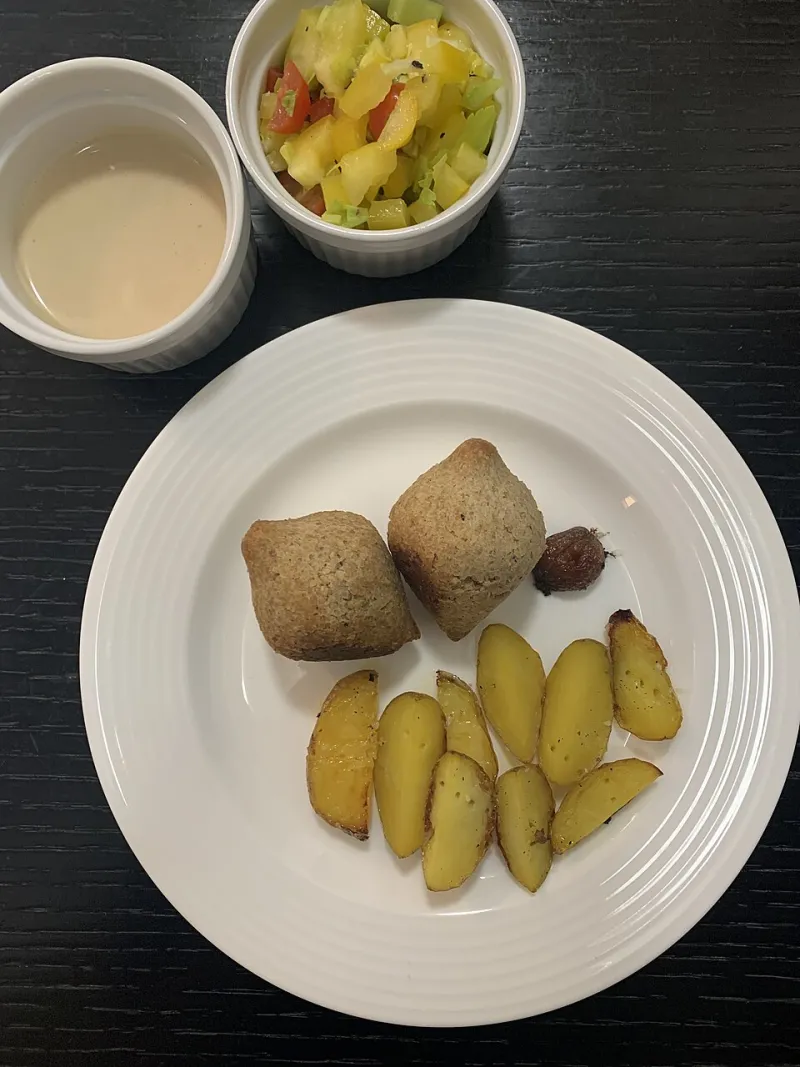
Photo: HaJunkiyada, CC BY-SA 4.0, via Wikimedia Commons
Somewhere in Portland, a woman named Kristin is perfecting her kibbeh recipe for the fourth consecutive weekend. She's not Lebanese. Her husband isn't Lebanese. Their kids have never been to Lebanon. But kibbeh has become, in her words, "the thing I make when I want to impress someone without looking like I'm trying to impress someone."
Kristin isn't alone. Across the country, in home kitchens from Atlanta to Seattle, a growing number of non-Lebanese Americans are adopting kibbeh as their signature entertaining dish — the culinary equivalent of a party trick that also happens to be genuinely delicious. It's showing up on potluck spreadsheets, dinner party menus, and food blogs written by people whose last names are decidedly not Khoury or Haddad.
So what's driving the kibbeh craze? And why now?
What Is Kibbeh, Exactly?
For the uninitiated: kibbeh is one of the most iconic dishes in Lebanese cuisine, made from a base of fine bulgur wheat and ground meat — traditionally lamb, though beef is common in American kitchens — seasoned with allspice, cinnamon, and onion. The most classic version, kibbeh bil sanieh, is baked in a pan in two layers with a spiced, pine nut-studded filling sandwiched in between. Kibbeh nayyeh is the raw version, eaten fresh. Kibbeh balls can be fried or poached in broth.
It's ancient food. It's deeply Lebanese. And it has, against all reasonable expectations, become a darling of the American dinner party circuit.
The Sourdough Parallel No One Saw Coming
Remember when everyone was making sourdough starter in 2020? Kibbeh is pulling off something similar, but with a more social dimension.
Sourdough was about the process — the daily feeding, the patience, the personal satisfaction of a well-risen loaf. Kibbeh has that same hands-on, craft-project energy. You mix the dough by hand (or in a food processor, if you're being practical). You layer it. You score the top in a diamond pattern. You drizzle olive oil over it before it goes in the oven. It looks like you know what you're doing, even when you're figuring it out as you go.
But unlike sourdough, kibbeh is inherently a sharing food. You make it for a table full of people. It arrives at the party and becomes a conversation starter. "What is that?" is always the first question. "Can I have the recipe?" is usually the last.
"The first time I brought kibbeh to a potluck, I had six people asking me how to make it," says Marcus, a home cook in Nashville who learned the recipe from a Lebanese coworker. "Nobody ever asks me how to make the pasta salad."
Why This Dish Specifically?
Kibbeh has a few things going for it that make it unusually well-suited to the American entertaining moment.
It travels well. Baked kibbeh bil sanieh is sturdy. It holds its shape when cut into squares, doesn't get soggy, and tastes great at room temperature. For potlucks and dinner parties where timing is unpredictable, that's a genuine practical advantage.
It scales easily. Doubling or tripling the recipe is straightforward, which makes it ideal for larger gatherings.
It feels special without being fussy. The flavor profile — warm spices, savory meat, the nuttiness of pine nuts, a squeeze of lemon — is complex enough to feel impressive but not so unfamiliar that it alienates people who are new to Lebanese food.
It photographs beautifully. This matters more than food people like to admit. The scored diamond pattern, the golden-brown top, the glossy olive oil — kibbeh is genuinely photogenic in a way that makes it compelling for anyone who shares food on social media.
Common Mistakes (And How to Dodge Them)
For anyone thinking about giving kibbeh a try, a few pitfalls are worth knowing about upfront.
Using the wrong bulgur. Kibbeh requires fine bulgur — not medium, not coarse. The texture of the dough depends on it. Many first-timers grab whatever bulgur is on the shelf and end up with something grainy and loose. Check the package. Fine is what you want.
Skipping the resting time. After you soak the bulgur and mix the dough, let it rest in the fridge for at least 30 minutes. This gives the wheat time to fully hydrate and makes the dough much easier to handle and press into the pan.
Overfilling the middle layer. The filling is delicious, but too much of it will cause the kibbeh to fall apart when you cut into it. A thin, even layer is what holds everything together.
Under-seasoning. Lebanese food is seasoned confidently. Taste your filling before it goes in. It should be noticeably spiced — if it tastes bland raw, it'll taste bland baked.
Beginner-Friendly Variations to Start With
If the traditional baked version feels like a lot for a first attempt, there are gentler entry points.
Kibbeh bil sanieh with ground beef is the most forgiving starting point for American cooks. Beef is easier to find, less expensive than lamb, and slightly more neutral in flavor — which makes it a good training-wheels version while you get comfortable with the spice ratios.
Mini kibbeh cups baked in a muffin tin are a crowd-pleasing party appetizer that requires less precision than a full pan and lets you practice the dough and filling without committing to a large batch.
Kibbeh soup (kibbeh bil laban) — small kibbeh balls poached in a garlicky yogurt broth — is a different texture experience entirely and often surprises people who expect kibbeh to always be baked or fried.
What It's Doing to American Dinner Party Menus
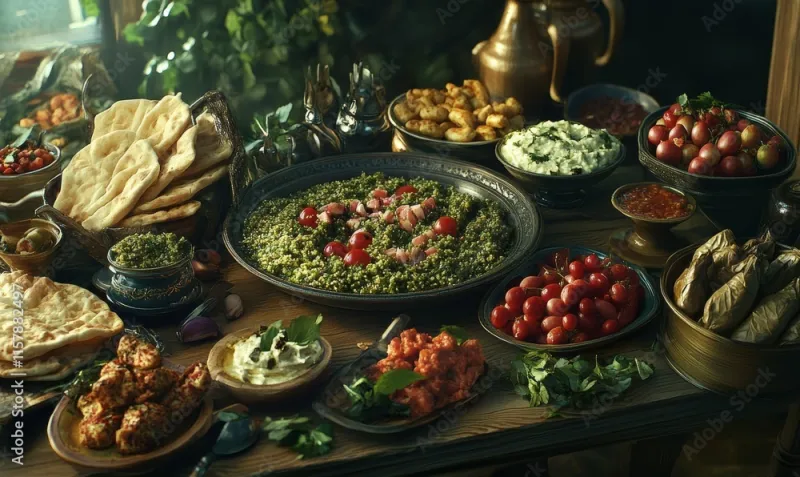
The broader effect of kibbeh's crossover moment is subtle but real. Non-Lebanese home cooks who start with kibbeh often get curious about what else belongs on the table alongside it. They discover tabbouleh. They start making labneh. They pick up a bag of sumac and begin using it the way they used to use paprika.
Kibbeh, in other words, isn't just a recipe. It's a gateway.
"I started with kibbeh and now my whole dinner party menu is basically Lebanese," admits Kristin, the Portland home cook from the beginning of this story. "I didn't plan it. It just kept pulling me in."
That's the thing about Lebanese food. It has a way of doing that.