Spread, Share, Savor: Your Complete Playbook for Throwing a Lebanese Mezze Night
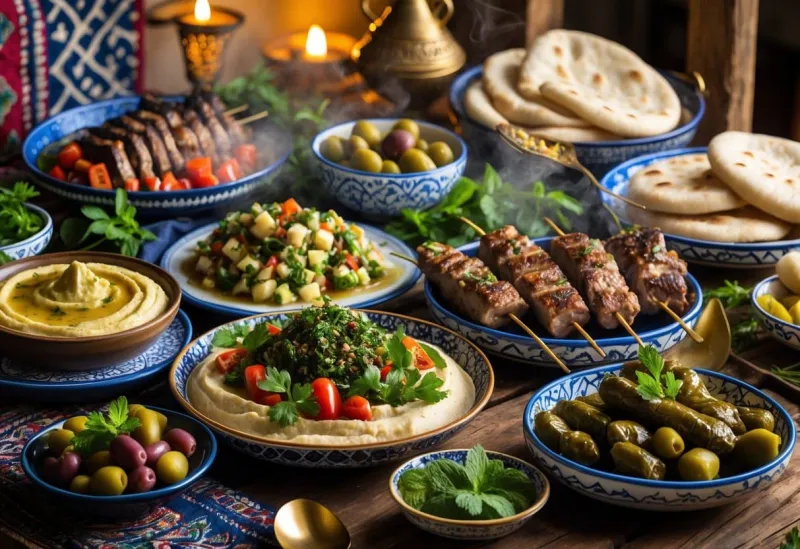
Photo: Lebanese mezze spread table hummus pita flatbread communal dining colorful dishes, via amazingfoodanddrink.com
There's a reason Lebanese dining culture has survived thousands of years largely intact: it works. The mezze table — that glorious, chaotic spread of small dishes, fresh herbs, warm bread, and dips — is one of the most naturally social ways humans have ever figured out how to eat together. Nobody's waiting for their entrée. Nobody's staring at their phone. Everyone's reaching, tasting, and talking.
If you've been to a Lebanese restaurant in the US and found yourself wishing you could recreate that energy at home, good news: you absolutely can. Here's your full beginner's guide to hosting a mezze night that feels genuinely festive without turning your kitchen into a disaster zone.
What Exactly Is Mezze?
Before we get into the logistics, let's set the scene. Mezze (sometimes spelled meze) refers to a collection of small dishes served together, meant to be shared communally rather than eaten in a linear, course-by-course sequence. Think of it as the Lebanese version of tapas — but with its own distinct identity rooted in the eastern Mediterranean.
A classic Lebanese mezze spread might include hummus, baba ghanoush, tabbouleh, fattoush, kibbeh, falafel, labneh, stuffed grape leaves (warak enab), pickled vegetables, olives, and always, always a basket of warm pita or flatbread. The beauty is that mezze is infinitely scalable. You can do six dishes for four people or twenty dishes for twenty people. The philosophy stays the same: more is more, and everything is for everyone.
Step 1: Build Your Spread Around Anchors
For a beginner host, the smartest approach is to identify three or four "anchor" dishes — the ones that will anchor the table visually and flavor-wise — and then fill in around them.
Your anchor lineup:
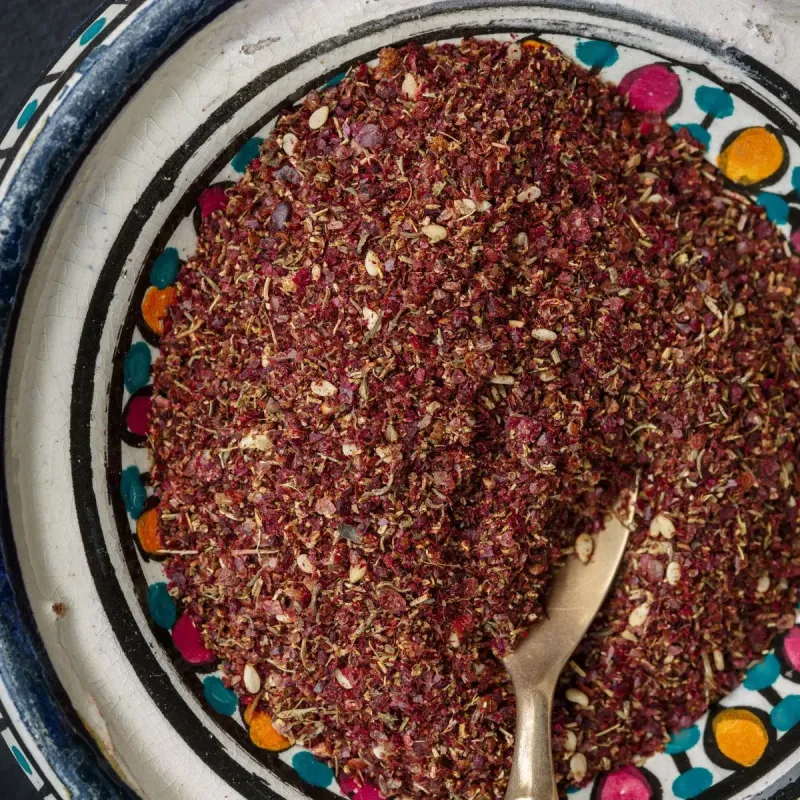
- Hummus — smooth, lemony, finished with a pool of good olive oil and a dusting of paprika or sumac
- Baba ghanoush — smoky eggplant dip that adds depth and contrast
- Tabbouleh — bright, herb-forward parsley salad with bulgur, tomato, and lemon
- Labneh — strained yogurt that's tangy and creamy, often served with za'atar and olive oil drizzled on top
All four of these can be made a day ahead. In fact, hummus and labneh both taste better after a night in the fridge. That's your stress-relief right there.
Step 2: Know What to Buy vs. What to Make
Here's a truth that Lebanese home cooks will freely admit: nobody makes everything from scratch for a mezze gathering. That's not the point. The point is the table, the company, and the overall experience.
Worth making at home:
- Tabbouleh (it's quick and nothing store-bought compares)
- Labneh (just strain full-fat plain yogurt overnight through cheesecloth — done)
- Fattoush salad (toss together right before guests arrive)
Totally fine to buy from a good Middle Eastern market or specialty store:
- Hummus (look for brands that use real tahini and minimal additives)
- Stuffed grape leaves (canned or from a deli counter)
- Falafel (many Middle Eastern groceries sell excellent frozen versions)
- Pickled turnips and olives (these are pantry staples — no shame in opening a jar)
If you're in a city with a Middle Eastern grocery store, that's your best friend for this kind of gathering. Stores like Sahadi's in Brooklyn, Phoenicia in Houston, or Samiramis in the Bay Area carry everything you need under one roof.
Step 3: The Bread Situation Is Non-Negotiable
Lebanese mezze lives and dies by the bread. Warm, pillowy pita or thin flatbread isn't optional — it's the vehicle for everything else on the table. Buy more than you think you need. Seriously.
Warm pita in a 350°F oven for about five minutes, wrapped in foil to keep it soft. Serve it in a cloth-lined basket and replenish as needed. If you want to go the extra mile, brush flatbread with olive oil, za'atar, and a pinch of salt, then toast it briefly under the broiler. That alone will make your guests feel like they're somewhere very far from their everyday lives.
Step 4: Set the Table Like You Mean It
The visual abundance of a mezze table is part of the experience. You're not just feeding people — you're creating an atmosphere. Here are a few simple styling tips:
- Use mismatched dishes. Mezze is not a formal dinner. Small ceramic bowls, wooden boards, and colorful plates all work together.
- Fill the center of the table. Every inch of the middle should be occupied. Crowd the dishes together — this is intentional.
- Add fresh elements. A handful of fresh mint, a pile of radishes, a few lemon wedges, and a bowl of olives fill gaps beautifully and look intentional.
- Bring out the olive oil. A good bottle of Lebanese olive oil in the center of the table, ready for drizzling, is both functional and atmospheric.
- Candles work. Even for a backyard summer gathering, a few pillar candles or tea lights add warmth to the scene once the sun goes down.
Step 5: Set the Mood With Sound
This part is optional but genuinely transformative. A mezze night with the right music playing in the background feels like a completely different event than one in silence or with a generic Spotify playlist.
For a Lebanese-inspired atmosphere, try artists like Fairuz (the iconic Lebanese singer whose voice is basically the soundtrack of every Lebanese kitchen ever), Ziad Rahbani, or Marcel Khalife. For something more contemporary that still carries that Middle Eastern warmth, explore artists like Yasmine Hamdan or Mashrou' Leila. Even a simple "Lebanese café" playlist on Spotify will do the job.
Keep the volume conversational — just loud enough to feel ambient, not so loud that it competes with the table talk.
Step 6: Conversation Starters Built Into the Food
One of the best things about a mezze night is that the food itself generates conversation. Guests will naturally ask what's in each dish, where certain flavors come from, and how things are made. Lean into that.
Consider making small handwritten labels for each dish — nothing fancy, just a card with the dish name and one or two words about the flavor profile. It invites questions, sparks curiosity, and gives guests who are new to Lebanese food a comfortable entry point.
You might also share a little context: why tabbouleh is a parsley salad and not a grain salad (the bulgur is the accent, not the star), what makes labneh different from cream cheese, or why the smoky char on baba ghanoush comes from roasting the eggplant directly over a flame. These small moments of storytelling are part of what makes the evening memorable.
Step 7: End on Something Sweet
No Lebanese gathering ends without something sweet. You don't need to make a full dessert spread — just a few well-chosen bites. Medjool dates stuffed with a sliver of almond, a small plate of baklava from your local Middle Eastern bakery, or a bowl of fresh fruit with a drizzle of rose water and crushed pistachios all work beautifully.
Serve strong Arabic coffee or mint tea alongside. The ritual of a warm drink at the end of the meal is as much a part of Lebanese hospitality as the food itself.
The Real Secret Ingredient
If you take one thing away from this guide, let it be this: a mezze night isn't about perfection. Lebanese hospitality is famous for its warmth and generosity, not its precision. If the hummus isn't exactly right or you ran out of pita, nobody cares — because the whole point is the people around the table.
Set out the food, light the candles, press play on the playlist, and let the evening do the rest. That's the spirit of Lebanese dining, and it travels beautifully from Beirut to any backyard in America.