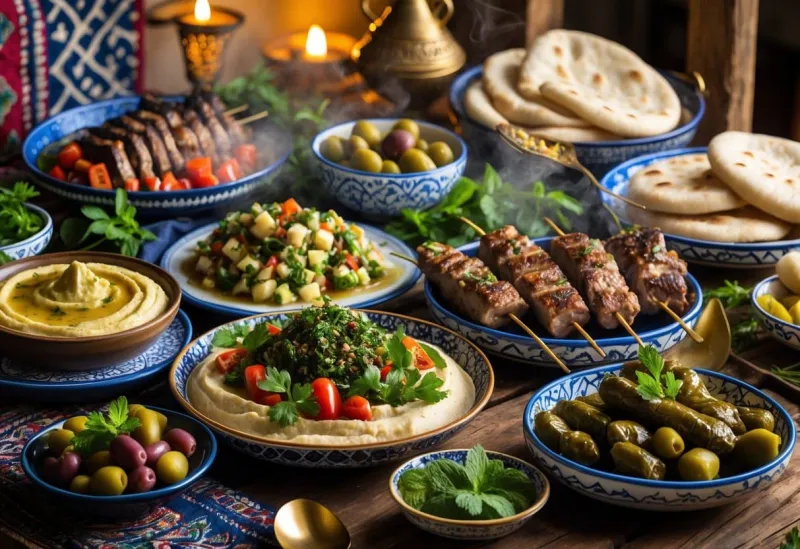
Seven Spices, Infinite Depth: The Lebanese Pantry Secrets American Cooks Are Missing
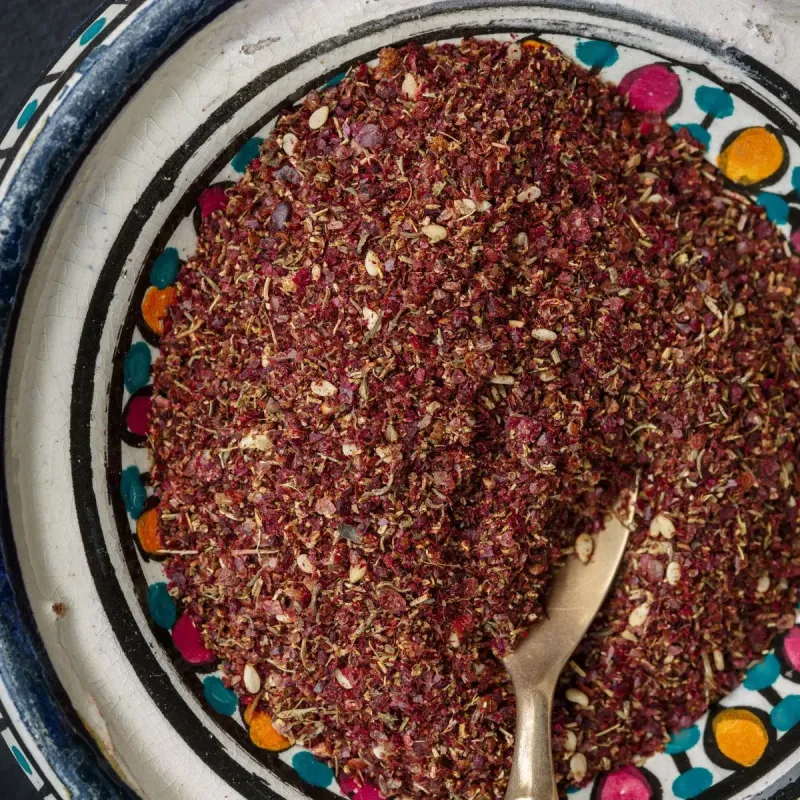
Photo: Lebanese spices sumac zaatar baharat colorful bowls Middle Eastern pantry, via sinfulkitchen.com
Walk into almost any Lebanese grandmother's kitchen in Dearborn, Michigan or Anaheim, California, and you'll notice something right away: the spice shelf doesn't look like the McCormick rack at your local Kroger. There are small unlabeled jars, little cloth pouches, and blends that were mixed by hand last Tuesday. The aromas hit you before you even reach the stove.
Lebanese cooking has a reputation for being bold and fragrant, but the real magic isn't about piling on the heat or drowning everything in one dominant flavor. It's about layering — building complexity through thoughtful combinations and knowing when each spice earns its place in the dish. We talked to several Lebanese-American home cooks across the US to find out exactly where American recipes tend to miss the mark, and how you can close that gap in your own kitchen.
1. Sumac: Way More Than a Garnish
If you've ever seen sumac at Whole Foods, chances are it was sitting in a tiny, overpriced jar next to the "exotic spices" section. Most American recipes treat it as a finishing sprinkle — a little pop of color on top of hummus. Lebanese cooks see it very differently.
"Sumac is acidic, almost like a dry lemon," says Nadia, a home cook from a Lebanese-American family in the Chicago suburbs who learned to cook from her mother in Beirut. "We use it in marinades, we mix it into onions for fattoush, and we add it mid-cook to brighten a stew that's getting too heavy."
The key difference: sumac is a functional souring agent, not just a visual garnish. Try mixing it into caramelized onions for your next flatbread topping, or rubbing it onto chicken thighs before roasting. You'll taste the difference immediately.
2. Za'atar: A Blend, Not a Single Spice
Here's where a lot of American recipes stumble — they treat za'atar like it's a single, fixed ingredient. It isn't. Za'atar is a blend, and every family makes it differently. The base is dried thyme or a wild herb called za'atar (related to oregano and thyme), combined with sumac, toasted sesame seeds, and salt. Some families add marjoram. Some go heavy on the sesame. Some add dried chili.
"My mom's za'atar is nothing like what you buy at the store," laughs Rami, a second-generation Lebanese-American food enthusiast based in Houston. "Hers has this almost nutty, earthy thing going on. The jarred stuff tastes flat to me now."
If you can, try sourcing za'atar from a Middle Eastern grocery store rather than a generic supermarket. Better yet, toast your own sesame seeds and mix the blend fresh. The difference in aroma alone is worth it.
3. Baharat: The Warm Backbone
Baharat — which simply means "spices" in Arabic — is Lebanon's answer to warming, aromatic depth. It typically contains allspice, black pepper, cinnamon, coriander, cloves, nutmeg, and sometimes cumin or cardamom. It's the spice that makes Lebanese kibbeh taste like kibbeh and not just a meatball.
American recipes often skip baharat entirely or substitute "mixed spice" blends that don't come close. The key technique Lebanese cooks use: they bloom baharat in fat — olive oil or clarified butter — before adding meat or onions. This unlocks the fat-soluble aromatic compounds and fills the kitchen with that unmistakable warmth.
"Don't just throw it in at the end," advises Lara, who runs a popular Lebanese cooking Instagram out of the DC area. "Bloom it first. Always."
4. Cinnamon: Savory, Not Sweet
This one surprises a lot of American home cooks. Cinnamon in Lebanese cooking shows up in rice dishes, meat stuffings, and slow-cooked stews — not just in desserts. It's used in small quantities, just enough to add a barely-there warmth that you'd notice if it were missing.
The mistake? Using too much, or using pre-ground cinnamon that's been sitting in your cabinet since 2021. Lebanese cooks tend to use freshly ground Ceylon cinnamon (sometimes called "true cinnamon"), which is lighter and more floral than the Cassia cinnamon most Americans are used to. A pinch in your rice pilaf or your ground beef filling for stuffed grape leaves makes an enormous difference.
5. Dried Mint: The Underrated Freshener
Fresh mint gets a lot of attention in Lebanese cooking — it's all over tabbouleh and fattoush. But dried mint is the unsung hero of the Lebanese spice rack. It goes into soups, yogurt sauces, and salad dressings, and it behaves completely differently than its fresh counterpart.
Dried mint is more concentrated and slightly earthy, with less of the sharp, bright punch that fresh mint delivers. Lebanese cooks often fry dried mint briefly in olive oil and drizzle it over lentil soup (adas bi hamod) right before serving. It's a technique that American recipes almost never mention, and it's one of those finishing moves that makes guests ask, "Wait, what is that?"
6. Allspice: The Quiet Constant
Allspice is arguably the most consistent thread running through Lebanese savory cooking. It shows up in nearly every meat dish, many rice preparations, and quite a few vegetable stews. But Lebanese cooks use it with a lighter hand than you might expect — it's a background note, not a lead instrument.
The common American mistake is using too much, turning a dish into something that tastes vaguely like a holiday potpourri. The Lebanese approach: allspice as a whisper, not a shout. Start with less than you think you need and adjust from there.
7. Black Pepper and the Art of the Grind
Finally, black pepper. It sounds almost too simple to mention, but Lebanese home cooks are particular about it. Freshly ground, medium-coarse, and used generously in meat dishes. Pre-ground black pepper from a can doesn't have the same aromatic volatility — the compounds that make pepper sing dissipate quickly after grinding.
"My dad had a pepper grinder that was older than me," Nadia says with a laugh. "He'd grind pepper fresh for every single dish. It seemed fussy at the time. Now I do the same thing."
Putting It All Together
The biggest takeaway from every conversation we had with Lebanese-American cooks? Spices aren't standalone ingredients in Lebanese cooking — they're a conversation. Sumac talks to olive oil. Baharat talks to cinnamon. Dried mint talks to lemon juice. The magic happens in the relationships between them, not in any single jar.
If you want to start cooking more authentically Lebanese at home, skip the generic "Middle Eastern spice" blends and invest in these seven individually. Find a Middle Eastern grocery store near you (or shop online from specialty retailers), and start experimenting with the techniques described above — blooming spices in fat, layering acidic elements like sumac mid-cook, and finishing dishes with a drizzle of fried dried mint.
Your kitchen is about to smell a whole lot more like Beirut. And trust us — that's a very good thing.