Better Together: The Real Reason Lebanese Food Tastes Amazing When You Make It With Someone
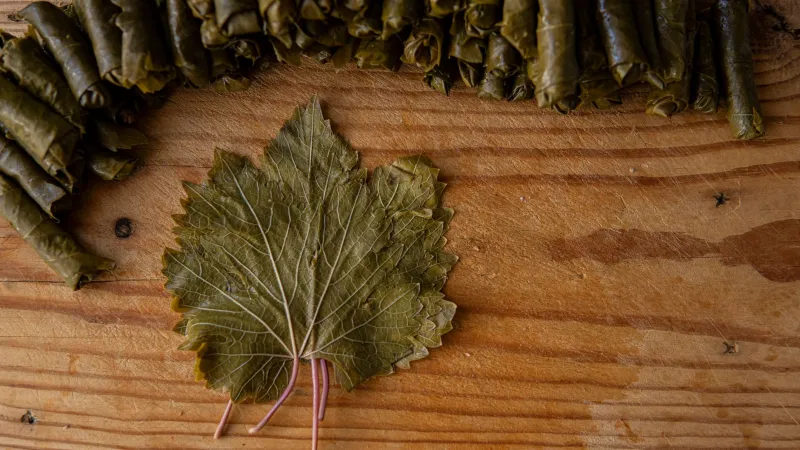
Pull up a chair at almost any Lebanese kitchen counter on a Sunday morning and you'll notice something right away. Nobody is cooking alone. There's a grandmother rolling grape leaves while a daughter-in-law mixes the rice filling. A cousin is squeezing lemons. Someone else is chopping parsley so fine it looks like green confetti. The kitchen is loud and warm and slightly chaotic — and the food that comes out of it? Unforgettable.
That's not a coincidence. And it's not just nostalgia talking.
Why Shared Cooking Actually Changes the Flavor
Here's the paradox that food researchers find genuinely fascinating: food prepared collaboratively tends to taste better to the people who made it — even when the recipe is identical to a solo version. A 2017 study published in Psychological Science found that shared experiences, including the act of cooking together, amplify how much we enjoy the outcome. The researchers called it "the shared experience effect" — our brains essentially rate experiences higher when we go through them alongside someone else.
For Lebanese cuisine, this effect is almost built into the architecture of the food itself. Think about warak enab — stuffed grape leaves. You can technically make them alone, but the process of rolling dozens of individual leaves is long and meditative. Do it with a friend or family member and the repetition becomes a rhythm, a conversation, a shared project. The leaves you roll together carry a kind of emotional seasoning that no amount of seven-spice blend can replicate.
"In Lebanese culture, the kitchen was never a solo space," says Nadia Haddad, a Lebanese-American home cook based in Dearborn, Michigan, who learned to cook from her mother and aunts. "When I was growing up, making kibbeh was a whole-afternoon thing. You'd have three or four women in the kitchen, and it wasn't just about the food. It was about catching up, solving problems, laughing. The food just absorbed all of that."
What's Actually Happening in Your Brain
There's legitimate neuroscience behind this, and it's worth understanding if you want to recreate the experience intentionally.
When we cook alongside other people, our brains release oxytocin — the same bonding hormone triggered by hugs and meaningful conversation. Synchronized physical activity, even something as simple as chopping herbs in rhythm with another person, activates what neuroscientists call "motor resonance" — a kind of neural mirroring that deepens social connection. Add in the sensory richness of a Lebanese kitchen (the smell of toasted pine nuts, the sound of a wooden spoon against a pot, the tactile resistance of kneading dough for ka'ak) and you've got a full-spectrum experience that lights up multiple areas of the brain simultaneously.
Dr. Rachel Voss, a food psychologist based in Chicago who studies the emotional dimensions of cooking, puts it plainly: "When you cook with someone, you're not just sharing a task. You're sharing attention, sensory experience, and effort. That combination creates a much stronger memory trace — which is part of why food made collaboratively feels more meaningful and, yes, tastes better in the eating."
This also explains something Lebanese home cooks have always known intuitively: the food at a big family gathering hits differently than the same dish made on a Tuesday night by yourself. Same recipe. Different experience.
Lebanese Cooking Is Designed for Collaboration
This isn't accidental. Lebanese cuisine, in both its ingredients and its techniques, seems almost engineered for group participation.
Consider the mezze format. Rather than one person plating a single dish, mezze is inherently collective — multiple small plates that everyone contributes to and shares. The preparation mirrors the eating. One person handles the hummus, another toasts the pita, someone else is slicing the cucumber and tomato for the fattoush. The division of labor is natural, the tasks are approachable, and no single person carries the whole load.
Or take maamoul, the delicate semolina cookies filled with dates or pistachios. The wooden molds used to press the dough are passed hand to hand. Children learn by watching and then doing. The repetitive pressing and releasing of the mold is almost meditative — and doing it alongside someone else doubles the calm.
"Lebanese cooking has this beautiful built-in quality where it needs you to be present," says Haddad. "You can't really rush warak enab. You can't multitask your way through making kafta by hand. The food asks you to slow down, and when you do that with someone else, it becomes something else entirely."
How to Bring This Into Your Own Kitchen
You don't need a Lebanese grandmother or a Sunday afternoon in Beirut to tap into this. Here are some genuinely practical ways to bring collaborative Lebanese cooking into your American home life.
Start with a rolling project. Grape leaves, kafta skewers, or even hand-formed falafel patties are perfect for two or three people working side by side. The task is repetitive enough to allow conversation, tactile enough to feel satisfying, and forgiving enough that nobody needs to be an expert.
Host a mezze prep night instead of a dinner party. Invite a few friends over early and cook together rather than presenting a finished spread. Assign each person a dish or a component. The cooking becomes the entertainment — and the meal that follows carries the energy of everything that went into it.
Teach while you cook. One of the most powerful aspects of Lebanese kitchen culture is the intergenerational transfer of knowledge. If you have a Lebanese recipe you love, cook it with someone who doesn't know it. The act of teaching slows you down, deepens your own understanding, and creates a shared memory.
Make dough together. Whether it's ka'ak dough, manoushe dough, or the semolina base for maamoul, kneading is one of the most naturally collaborative kitchen tasks there is. It's physical, rhythmic, and strangely satisfying to do alongside another person.
The Meal Is Just the Beginning
Here's the thing about Lebanese food that Happy Bites LB has always believed: the joy isn't only in the eating. It starts the moment you pull ingredients out of the pantry, and it builds through every step of preparation — especially when you're not doing it alone.
The happiness paradox at the heart of Lebanese cooking is that the food tastes better not because of a secret spice or a special technique, but because of who's standing next to you at the counter. The shared effort, the conversation, the small moments of teaching and learning and laughing — all of it becomes part of the dish.
So the next time you're planning a Lebanese meal, resist the urge to prep everything in advance and present it finished. Invite someone into the kitchen with you. Hand them a knife or a rolling pin. Let the cooking be the gathering.
The food will taste better. Science promises — and Lebanese culture has known it for centuries.