Grind It Yourself: How Home Cooks Are Mastering Lebanese Spice Blends From Scratch
There's a moment that happens in a lot of American kitchens when someone first tastes real, freshly blended za'atar. It's the moment they realize the stuff they've been buying in a tiny overpriced tin at the specialty store tastes like cardboard by comparison. The herbs are flat. The sumac is barely there. The sesame seeds are stale. And suddenly, a light goes on.
That light is driving a quiet revolution in home cooking across the US. More and more cooks — Lebanese-American and otherwise — are going back to basics, sourcing whole spices and dried herbs, and blending their own versions of the foundational Lebanese flavor builders. The results are cheaper, fresher, and honestly, way more fun to make.
Why Store-Bought Blends Fall Short
Let's be real about what you're usually getting when you grab a pre-mixed spice blend off the shelf. Most commercial za'atar blends, for example, are formulated for shelf stability, not flavor intensity. Manufacturers balance the ratio of thyme, sumac, sesame, and salt to appeal to the broadest possible palate — which often means dialing everything back. By the time that jar reaches your pantry, the volatile aromatic oils in the herbs have already started degrading.
Freshly dried thyme or hyssop, toasted sesame seeds, and high-quality ground sumac tell a completely different story. The difference is almost shocking the first time you experience it side by side.
Then there's the cost. A small jar of decent pre-made za'atar can run $8 to $12 at a specialty store. Buying the components individually in bulk from Middle Eastern grocery stores, online spice retailers, or even farmers markets? You can make four or five times the quantity for the same price or less.
The Core Building Blocks You Need
Before you start blending, it helps to understand what you're working with. Lebanese spice craft isn't random — it's built on a logic of layering that balances earthy, acidic, aromatic, and warm notes.
Za'atar is the big one. Traditionally made with wild thyme or hyssop (the actual plant called za'atar in Arabic), dried sumac, toasted sesame seeds, and salt, it's the workhorse of the Lebanese pantry. In the US, true hyssop can be tricky to find, but a blend of dried thyme, a little oregano, and dried marjoram gets you surprisingly close. The key is using sumac that's genuinely tart and bright red — not brownish and dull.
Sumac itself deserves its own moment. This ground berry is Lebanon's answer to lemon — all tartness, no juice. When you buy whole dried sumac berries and grind them yourself, the flavor is noticeably more vivid. You can find whole sumac berries at Middle Eastern markets or through online spice shops like Kalustyan's or Burlap & Barrel.
Mahlab is the one that surprises people. Ground from the tiny pit of a wild cherry, mahlab has a bittersweet, almost almond-like flavor that shows up in Lebanese breads, pastries, and even some savory spice blends. Most American cooks have never heard of it, but once you use it, you'll find yourself sneaking it into cookie doughs, coffee cakes, and spiced nuts. Again, grinding your own from whole pits makes a dramatic difference.
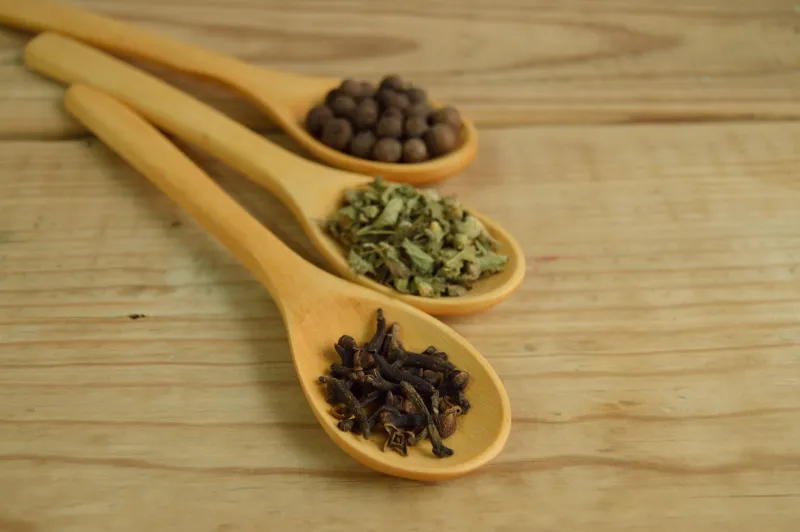
Baharat (the Lebanese seven-spice blend) rounds out the essentials. Allspice, cinnamon, black pepper, cloves, coriander, nutmeg, and cumin — each cook has their own ratio, and that's exactly the point.
Step-by-Step: Building Your Signature Za'atar Blend
Here's a basic framework to start with. Once you've made it once, you'll naturally start adjusting it to your taste — more sumac if you like it tangier, more sesame if you want a nuttier finish.
Base Za'atar Blend (makes about ¾ cup)
- 3 tablespoons dried thyme (rub it between your palms to release the oils)
- 1 tablespoon dried marjoram
- 1 tablespoon dried oregano
- 3 tablespoons ground sumac
- 2 tablespoons sesame seeds, toasted until golden
- 1 teaspoon flaky sea salt
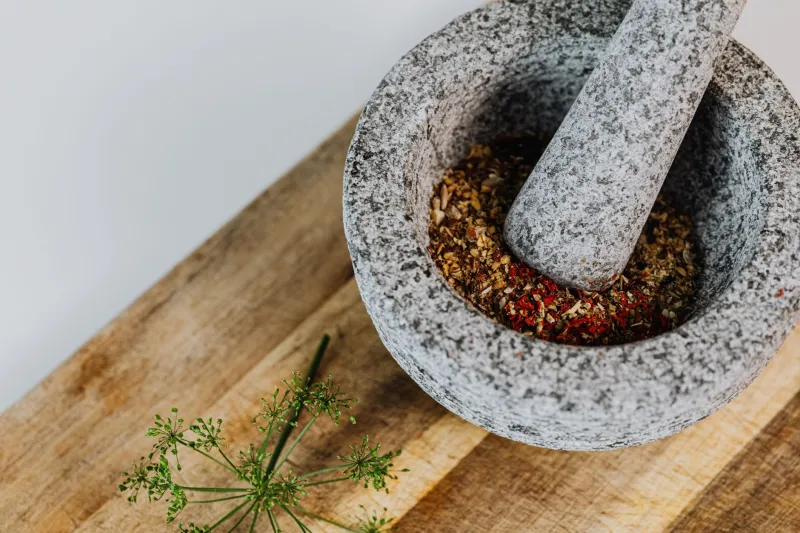
Toast the sesame seeds in a dry skillet over medium heat, shaking constantly, until they turn a warm golden color and smell nutty — about 3 minutes. Let them cool completely. Combine all ingredients and pulse briefly in a spice grinder or just mix by hand if you want more texture. Store in an airtight jar away from light. Use within 3 months for peak flavor, though it'll still be good past that.
From here, you can experiment. Some cooks add a pinch of cumin for warmth. Others mix in dried rose petals for a floral lift. A small amount of Aleppo pepper gives it a gentle heat that works beautifully on flatbreads.
The Chemistry of Flavor Layering
What makes Lebanese spice blends so satisfying isn't just the individual ingredients — it's the way they interact. Acidic sumac lifts the earthy thyme. Toasted sesame adds fat and nuttiness that smooths the tartness. Salt amplifies everything. It's a miniature flavor ecosystem.
The same principle applies when you're building baharat. The warm spices (cinnamon, allspice, cloves) create a base note. Black pepper and coriander add brightness and lift. Cumin adds depth. Nutmeg brings a subtle sweetness that ties it together. Understanding this logic means you can troubleshoot your own blends — if something tastes flat, it probably needs an acid or brightness boost. If it tastes sharp and one-dimensional, it needs more warmth and body.
Where to Source the Good Stuff in the US
You don't have to live near a Middle Eastern grocery store to do this well, though it definitely helps. Here are reliable sourcing options for American cooks:
- Middle Eastern grocery stores (check Yelp or Google Maps for your area — there are more than you think)
- Online retailers like Kalustyan's (kalustyans.com), Burlap & Barrel, and Zamouri Spices
- Whole Foods and specialty grocers for basics like sumac and dried thyme
- Farmers markets in spring and summer for fresh thyme and oregano you can dry yourself
Drying your own herbs is easier than it sounds. Bundle fresh thyme stems with twine and hang them in a dry, warm spot for a week. The flavor concentration when they dry is something else entirely.
Make It Yours
The most important thing about Lebanese spice blending is that there's no single correct version. Every family has their own ratios. Every village has its own tradition. That's not a bug — it's the whole point. When you make your own blends, you're not just cooking Lebanese food. You're participating in a living culinary tradition that has always been about personal expression and joyful sharing.
So start with the base recipe. Taste it. Adjust it. Make it a little more you. Then slather it on flatbread with olive oil, sprinkle it over eggs in the morning, or rub it on chicken thighs before you grill them. The flavor you've built from scratch will make every single one of those dishes better — and you'll never look at that dusty store-bought jar the same way again.