Cook by Feel: How Lebanese Kitchen Wisdom Frees You From Measuring Everything
Most American home cooks have been trained — by cookbooks, by cooking shows, by a general cultural obsession with precision — to treat recipes like contracts. Deviate from the measurements and something goes wrong. Miss a step and the whole dish falls apart. The recipe is the authority, and you are just following orders.
Lebanese home cooking operates on a completely different philosophy. Ask a Lebanese grandmother for her kibbeh recipe and she'll probably look at you a little sideways before describing a process that involves no measurements whatsoever. "Enough bulgur," she might say. "Good olive oil." "Salt until it tastes right." "Lemon — you'll know."
This isn't vagueness. It's mastery. And it's something any American home cook can learn to access.
Why Lebanese Cooking Resists Rigid Rules
The improvisational nature of Lebanese home cooking isn't accidental — it reflects the realities of how this cuisine evolved. Lebanese food developed across generations of home kitchens where ingredients varied by season, region, and what the garden happened to be producing that week. A recipe rigid enough to demand exactly 2 tablespoons of lemon juice wouldn't survive the reality of a lemon that's more tart than usual, or a batch of tomatoes that's especially sweet.
So Lebanese cooks learned to taste constantly. To adjust on the fly. To understand the role each ingredient plays — the acid that brightens, the fat that rounds out, the spice that adds warmth — rather than the exact quantity of it. The result is a cooking culture that's deeply responsive and deeply personal. Two people following the same "recipe" will produce dishes that are recognizably similar but distinctly their own.
For American cooks raised on the precision model, this can feel destabilizing at first. But it's actually liberating once you understand the underlying logic.
The Four Flavor Pillars of Lebanese Cooking
Lebanese flavor-building rests on a handful of principles that, once internalized, give you the framework to cook without measuring.
Acid Does the Heavy Lifting
Fresh lemon juice and sumac are the workhorses of Lebanese seasoning. They don't just add sourness — they amplify every other flavor in the dish. If something tastes flat or one-dimensional, the fix is almost always more acid. Squeeze a little lemon over a finished dish and watch it wake up. This is why Lebanese food tastes so bright: acid is applied generously and often.
The practical lesson: taste your food near the end of cooking and ask yourself if it's singing or just sitting there. If it's flat, reach for lemon before you reach for salt.
Fat Carries Flavor
Olive oil in Lebanese cooking isn't just a cooking medium — it's an ingredient, often added at multiple stages. A drizzle of good olive oil over finished hummus, over a bowl of lentil soup, over roasted vegetables isn't decoration. It rounds out sharp edges, carries fat-soluble flavor compounds, and adds a fruity richness that ties everything together.
Don't be shy with olive oil. Lebanese cooking isn't timid about fat, and the food is better for it.
Spice Adds Warmth, Not Heat
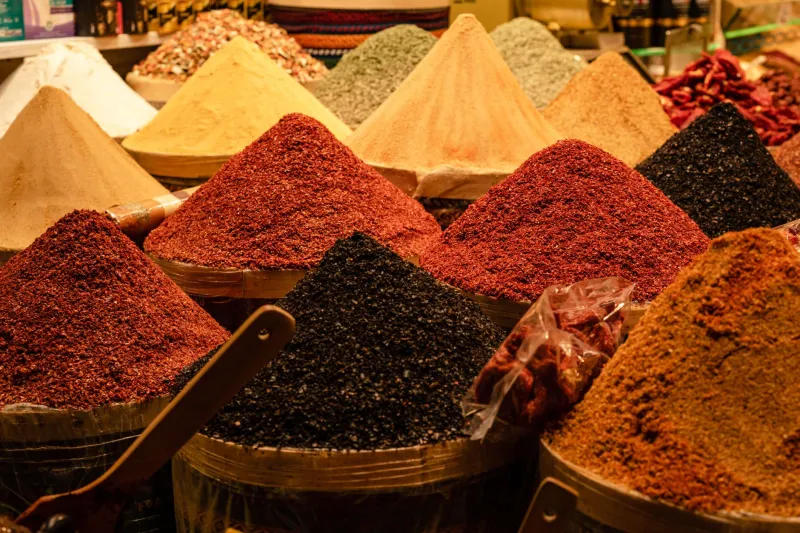
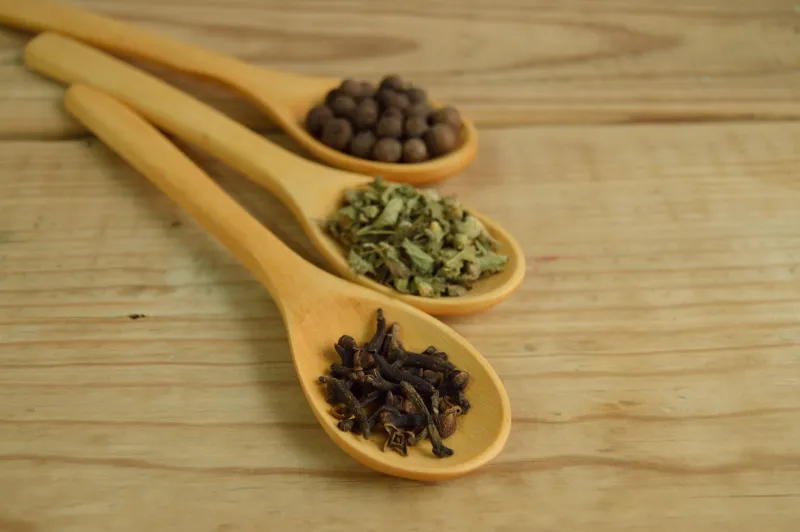
The Lebanese spice palette — cinnamon, allspice, cumin, coriander, and the seven-spice blend baharat — is warm and aromatic rather than fiery. These spices add depth and complexity without making food spicy in the way American cooks might expect from "exotic" cuisines.
The trick is to bloom your spices. Add them to hot oil or to meat early in the cooking process rather than sprinkling them on at the end. This releases their aromatic compounds and integrates them into the dish rather than leaving them tasting raw and sharp.
Fresh Herbs Are Not a Garnish
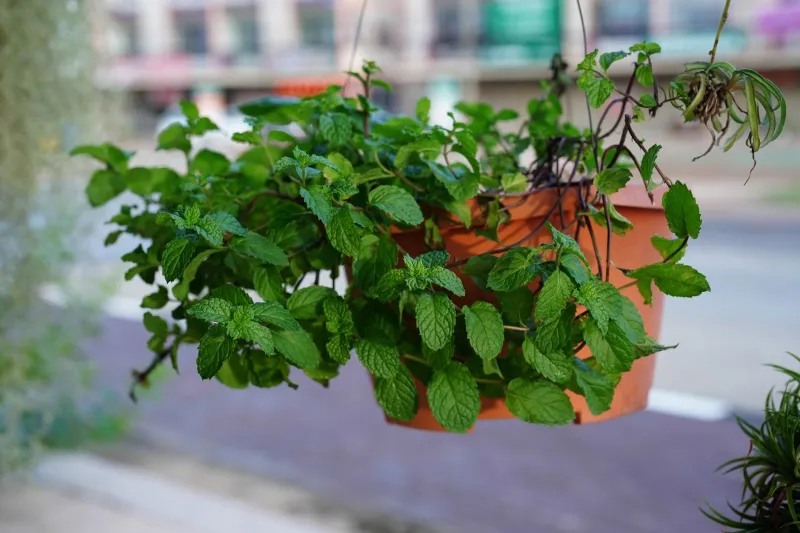
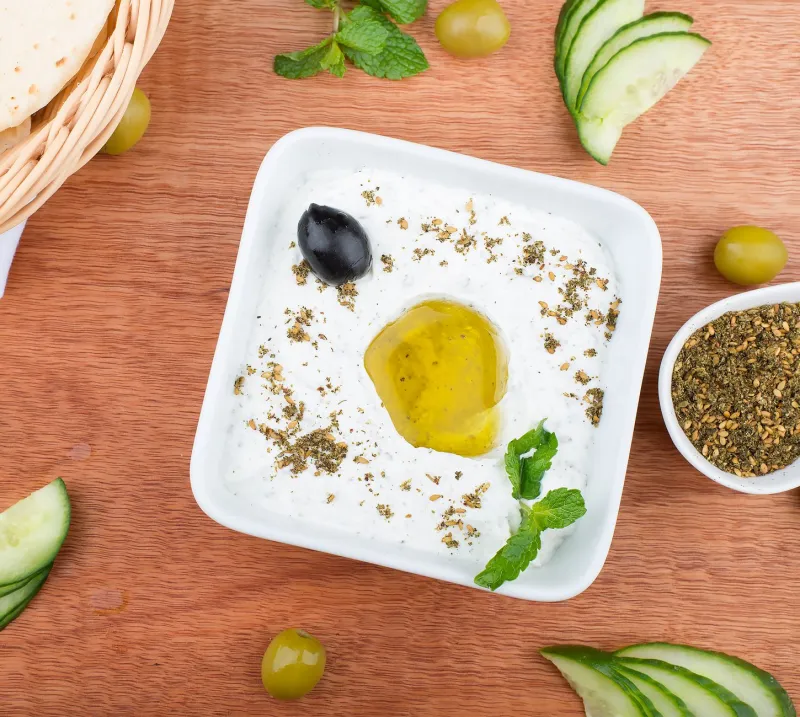
In Lebanese cooking, parsley, mint, and cilantro are used in quantities that would seem extreme by most Western standards. A tabbouleh is mostly parsley, not mostly bulgur. Mint shows up in salads, in stuffed vegetables, in yogurt sauces. These herbs aren't decoration — they're structural flavor components.
If your Lebanese dish tastes good but not great, the answer is probably more fresh herbs than you think is reasonable.
Building Confidence: Practical Exercises
Learning to cook by feel is a skill, and like any skill, it develops through deliberate practice. Here are a few concrete ways to start building that intuition.
Make the same dish three weeks in a row. Choose something simple — hummus, lentil soup, a basic fattoush. Make it slightly differently each time, adjusting one variable. More lemon. Less garlic. Different olive oil. Pay attention to what changes and what you prefer. You're building a mental flavor map.
Taste at every stage. This sounds obvious but most home cooks don't do it. Taste the raw spice blend. Taste the onions after they've softened. Taste the dish before and after adding acid. You'll start to understand what each ingredient actually contributes.
Abandon measuring spoons for herbs and spices. Start with your palm. A small pinch of cumin, a generous handful of parsley. The goal isn't chaos — it's getting your hands and eyes calibrated to quantities rather than relying on a tool to tell you.
Cook with someone who learned this way. If you have a Lebanese friend or neighbor, ask if you can cook with them sometime. Watching someone who cooks by feel is worth more than any recipe. Notice where they pause to smell, where they taste, where they make a quick adjustment without thinking about it.
The Deeper Shift
Here's what nobody tells you about learning to cook by feel: it changes your relationship with the kitchen fundamentally. When you stop treating recipes as authority and start treating them as suggestions, cooking becomes creative rather than procedural. You stop being afraid of making mistakes because mistakes become information.
A dish that's too tart teaches you something about acid. One that's too flat teaches you something about salt. Every meal is a conversation between you and the ingredients, and over time, you get better at listening.
Lebanese cooking has always known this. It's why the food made in home kitchens often tastes better than anything you can get from a recipe — because it carries the accumulated judgment of someone who has been paying attention for years.
You can start paying attention today. Taste more. Measure less. Trust yourself a little more than you think you should. The food will tell you when you've got it right.