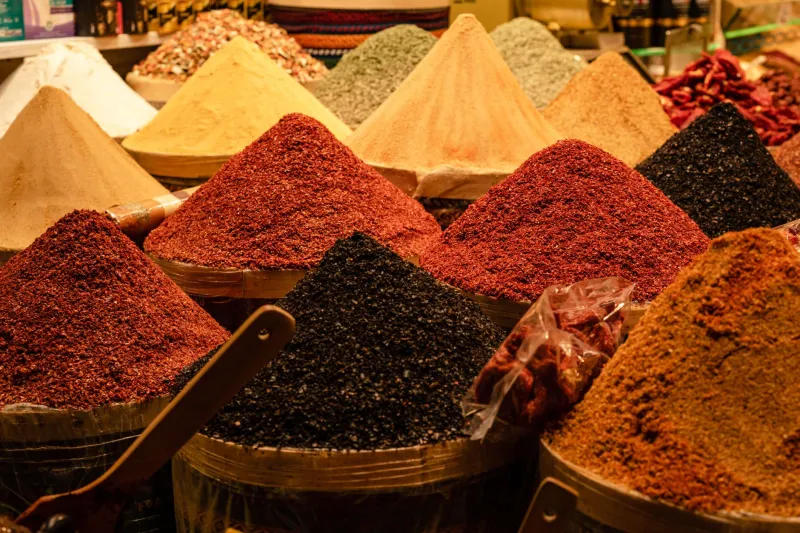
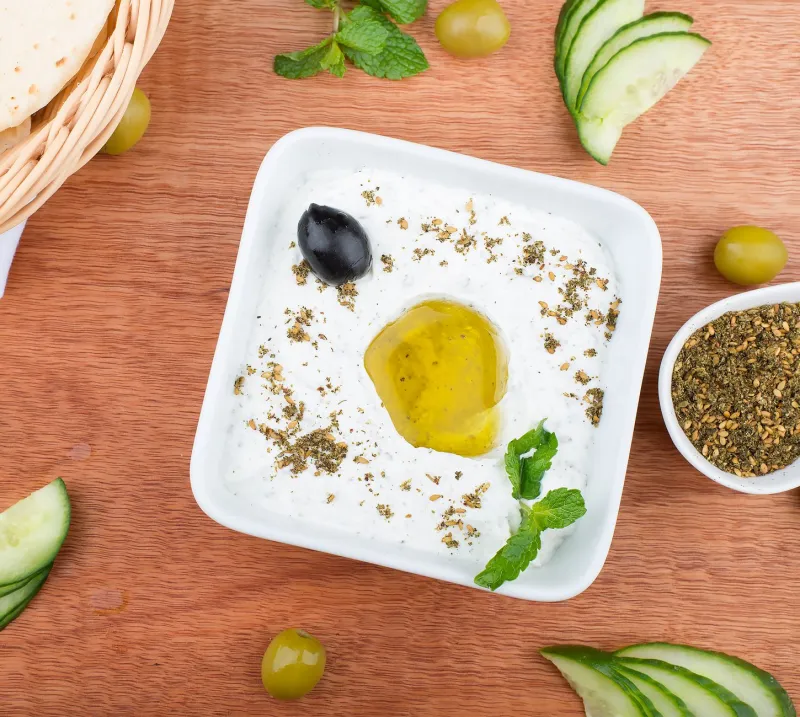
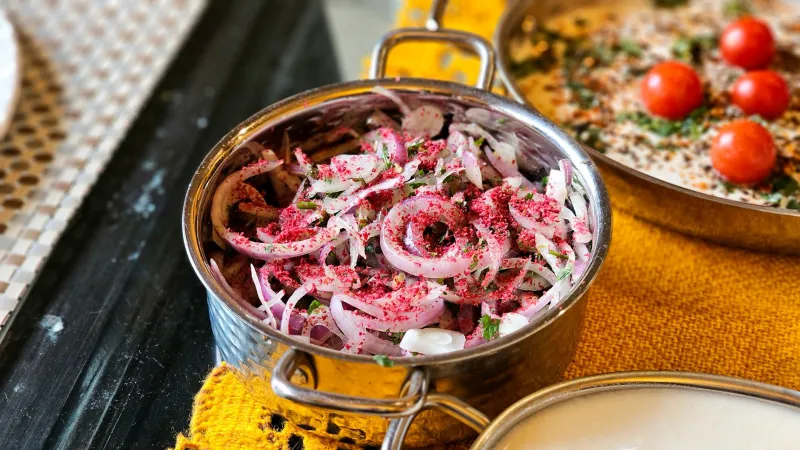
Dig In: How to Grow Za'atar, Mint, and Sumac Right in Your Own Backyard
There's a particular kind of satisfaction that comes from pinching a fresh sprig of za'atar off a plant you grew yourself, rubbing it between your fingers, and breathing in that earthy, almost oregano-like scent before it goes into your olive oil. Lebanese home cooks have known this feeling for centuries. And now, more American gardeners — from apartment dwellers with a south-facing window to suburban families with a proper backyard plot — are discovering it too.
The farm-to-table movement has done a great job of reminding us how much better freshly grown food tastes. But when it comes to Lebanese cuisine, that principle goes even deeper. The herbs and spices at the heart of this food — za'atar, mint, sumac — aren't just flavoring agents. They're the soul of the cuisine. Growing them yourself doesn't just save a trip to the specialty store. It connects you to something older and more meaningful than a grocery run.
So let's get into the dirt.
Za'atar: The One Plant That Changes Everything
First, a quick clarification: za'atar refers to both a spice blend and the wild herb that anchors it. The herb itself (Origanum syriacum, sometimes called Lebanese oregano or Syrian oregano) is what you want to grow. It looks a lot like Greek oregano and behaves similarly in the garden — but the flavor is distinctly more complex, with floral and slightly bitter notes that set it apart.
In the US, you can find Origanum syriacum seeds or starter plants through specialty herb nurseries and online retailers like Strictly Medicinal Seeds or Horizon Herbs. It thrives in USDA hardiness zones 7–11, which covers a huge swath of the country from the Pacific Coast to the Southeast. In colder zones (think the Midwest or Northeast), grow it as an annual or bring it indoors before the first frost.
Growing tips:
- Plant in well-drained, slightly alkaline soil with full sun — at least 6 hours a day.
- Water sparingly once established. This plant is native to the rocky hillsides of the Levant, so it actually prefers dry conditions.
- Harvest by snipping stems in the morning, just before the plant flowers, when the essential oils are at peak concentration.
- Dry your harvest by hanging small bundles upside down in a warm, ventilated spot for about two weeks. Then crumble the leaves and mix with toasted sesame seeds, sumac, and a pinch of salt for your own homemade za'atar blend.
If you're in an apartment, za'atar does surprisingly well in a 6- to 8-inch terracotta pot on a sunny balcony or windowsill. Just don't overwater it.
Mint: The Lebanese Kitchen's Most Reliable Workhorse
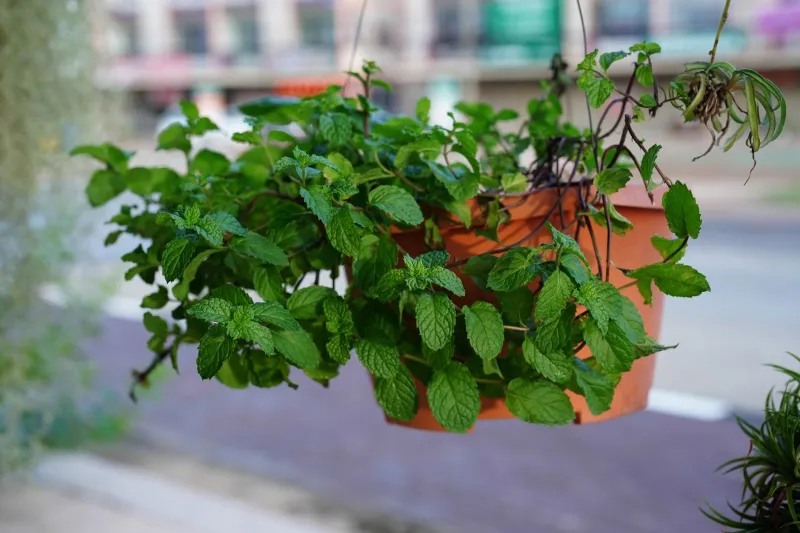
Mint is the easiest entry point for anyone new to Lebanese herb gardening. It's practically unstoppable — which is both its greatest strength and its one warning label. Plant it in the ground without containment, and it will take over your garden. Stick it in a pot, though, and it's a dream.
For Lebanese cooking, spearmint (Mentha spicata) is the variety you want. It's the go-to for fattoush salad, tabbouleh, stuffed grape leaves, and yogurt-based dips like laban. The flavor is bright and clean without the aggressive coolness of peppermint.
Growing tips:
- Start from cuttings or transplants rather than seed — mint seeds can be unreliable.
- Use a container with good drainage and keep it moist but not waterlogged.
- Place it in partial to full sun. Unlike za'atar, mint tolerates a bit of shade.
- Cut it back regularly to encourage bushy, leafy growth rather than tall, leggy stems.
- Fresh mint can be kept in a glass of water on your counter like cut flowers — it stays vibrant for days.
One underrated move: grow a pot of mint near your kitchen door. You'll find yourself reaching for it constantly — a handful in your morning tea, a few leaves torn over a bowl of hummus, a garnish for kibbeh. Once it's right there, you use it in ways you never expected.
Sumac: The Long Game That's Worth Every Bit of the Wait
Sumac is where things get a little more ambitious — and a lot more rewarding. The sumac used in Lebanese cooking comes from Rhus coriaria, a deciduous shrub that can grow into a small tree over time. It's not a quick-harvest situation. But if you're a patient gardener, growing your own sumac is one of the most satisfying things you can do for your Lebanese pantry.
The good news: staghorn sumac (Rhus typhina), which is native to North America and grows abundantly across the eastern US, is edible and produces berries with a similar tartness to Lebanese sumac. Many foragers and home cooks use it as a stand-in, and it works beautifully. You can find it growing wild along roadsides and forest edges from Maine to Georgia.
For the authentic Rhus coriaria, look for seeds or young plants through specialty nurseries. It's hardy in zones 7–10 and grows best in full sun with well-drained soil.
Growing tips:
- Plant in a spot where it can spread — sumac grows via root suckers and will colonize an area if given space.
- Harvest the deep red berry clusters (called drupes) in late summer through fall, before heavy rains dilute their tartness.
- Dry the clusters, then grind the berries and sift out the seeds for your own ground sumac powder.
- Store in an airtight jar away from light to preserve that vivid crimson color and tangy punch.
Freshly ground homegrown sumac has a brightness that pre-packaged versions rarely match. Sprinkle it over grilled chicken, fattoush, or a simple plate of hummus with olive oil, and you'll immediately taste the difference.
Putting It All Together: From Garden to Table
Here's a simple seasonal rhythm that works for most of the US:
- Spring (March–May): Start za'atar and mint indoors 4–6 weeks before your last frost date. Transplant mint outside once temps stay above 50°F. Direct sow or transplant za'atar after frost risk passes.
- Summer (June–August): Harvest regularly to keep plants producing. This is peak mint and za'atar season.
- Fall (September–November): Harvest sumac clusters before heavy rains. Dry and store za'atar for winter use. Bring tender herbs indoors before first frost.
- Winter (December–February): Keep a small pot of mint on a bright windowsill. Use your dried za'atar blend and sumac powder to keep Lebanese flavors alive in your kitchen all season.
The beauty of growing these ingredients yourself is that it changes how you cook. When mint is abundant, you use it more generously. When you've waited all summer for your sumac clusters, you treat the powder like the treasure it is. That mindfulness — that connection between effort and flavor — is very much in the spirit of Lebanese home cooking.
The Real Payoff
At Happy Bites LB, we talk a lot about the joy of sharing Lebanese food. But there's a quieter joy that comes before the table is even set: the joy of tending something, watching it grow, and then folding it into food that feeds the people you love. Growing your own Lebanese herbs brings that full circle.
You don't need a lot of space. You don't need a green thumb. You just need to start somewhere — maybe a single pot of mint on your kitchen windowsill. From there, the garden (and the cooking) tends to take care of itself.