Fast, Fresh, and Flavor-Packed: Lebanese Street Food Tricks for Crazy Weeknights
Here's a myth worth busting: authentic food takes forever to make. It's the kind of assumption that keeps people ordering delivery on Tuesday nights instead of cooking something genuinely delicious. The truth, at least when it comes to Lebanese cuisine, is that some of the most iconic and flavor-forward dishes in the entire tradition were designed specifically for speed.
Lebanese street food didn't emerge from leisurely kitchens. It came from vendors feeding factory workers, students, commuters, and families on the move. The techniques are built around high heat, bold seasoning, smart assembly, and fresh ingredients that do the heavy lifting without requiring hours of fuss. Sound familiar to your weeknight situation? It should.
The good news is that those same principles translate directly to a home kitchen in Raleigh or Sacramento or Minneapolis. Here's how to use them.
The Core Principles That Make Lebanese Cooking Naturally Fast
Before getting into specific recipes, it helps to understand why Lebanese street food is fast in the first place — because once you internalize these principles, you'll apply them instinctively.
High heat, short time. Lebanese grilling and pan-searing techniques rely on very hot surfaces to build flavor quickly through caramelization and char. A cast iron skillet or a hot grill grate does more flavor work in four minutes than a moderate oven does in forty.
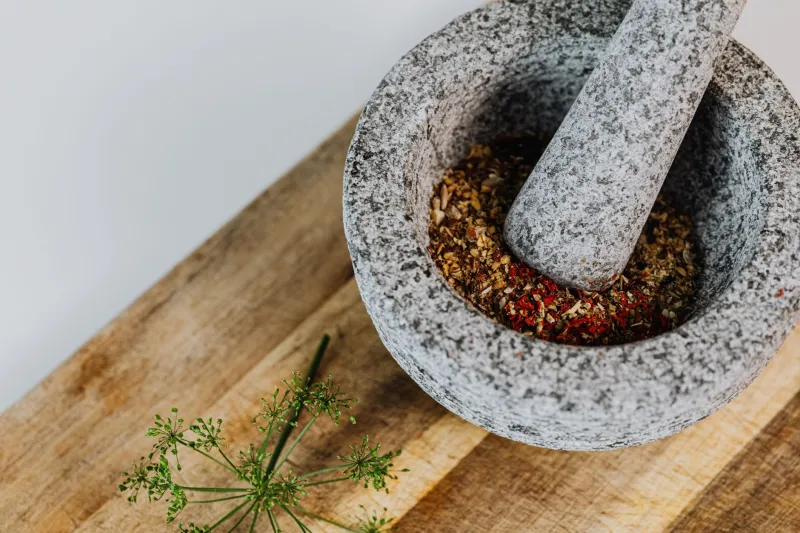
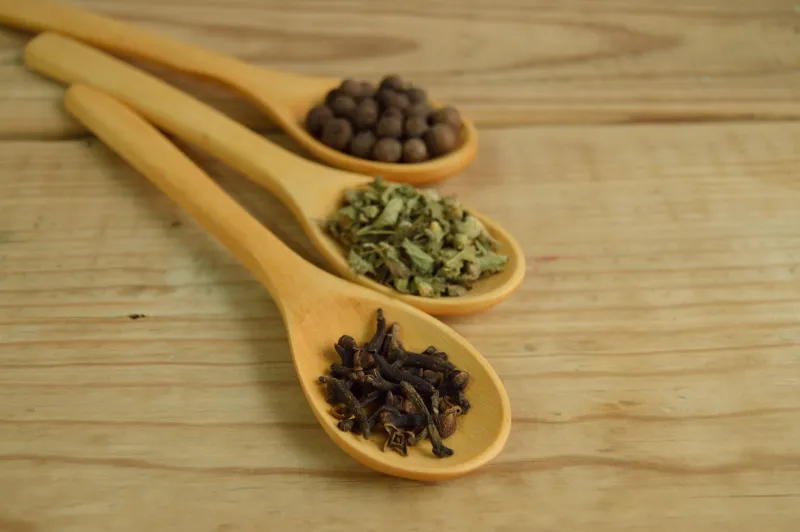
Seasoning does the heavy lifting. Because Lebanese spice blends (baharat, za'atar, sumac, garlic, and lemon) are so complex and layered, even a simple piece of chicken or a plain piece of pita becomes something extraordinary when seasoned properly. You don't need a complicated sauce when your spice rub is doing that much work.
Assembly over cooking. Many Lebanese dishes are about assembling fresh, flavorful components rather than cooking everything together from scratch. Chopped vegetables, a squeeze of lemon, a drizzle of tahini, some fresh herbs, and a piece of grilled protein — that's dinner in ten minutes if everything is prepped.
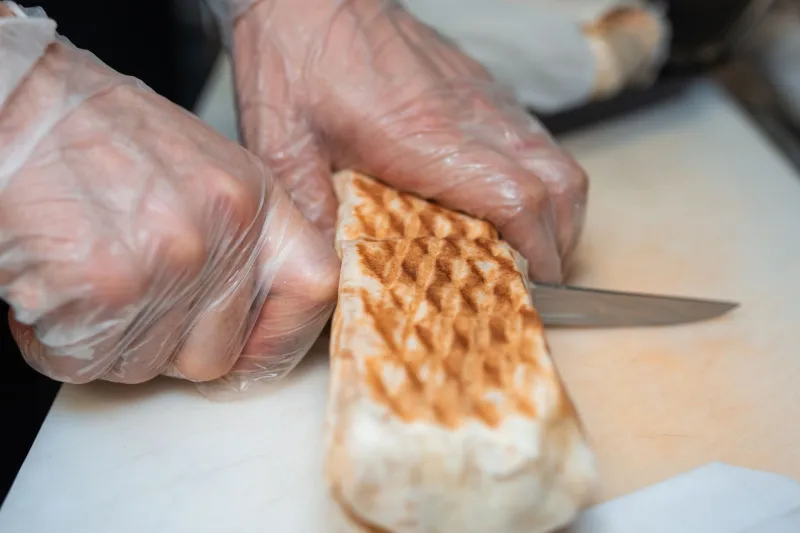
Bread is the plate. Lebanese flatbread (pita or markouk) functions as a vessel, a utensil, and a side dish simultaneously. Wrapping anything in warm bread instantly makes it feel like a complete meal.
Eight Weeknight Dishes That Prove the Point
1. Shish Tawook Skewers (20 minutes)
Marinate chicken thigh chunks in yogurt, garlic, lemon juice, olive oil, tomato paste, and a tablespoon of baharat for as little as 20 minutes (or up to 24 hours if you prep the night before). Thread onto skewers and grill or broil on high heat until charred at the edges. Serve in warm pita with garlic sauce (toum) and sliced tomatoes. The yogurt marinade tenderizes fast and creates incredible char.
2. Kafta Patties (15 minutes)
Skip the skewers on a busy night — shape spiced ground lamb or beef (mixed with grated onion, parsley, allspice, cinnamon, and black pepper) into flat oval patties and cook them in a screaming hot cast iron pan for 3-4 minutes per side. Serve over a quick tomato-onion salad with pita. Done.
3. Fatteh (15 minutes)
This is the Lebanese answer to nachos and it's genuinely incredible. Toast or fry torn pita until crispy. Layer with warmed chickpeas, a garlic-lemon yogurt sauce, tahini, and a drizzle of olive oil. Top with toasted pine nuts and a sprinkle of paprika. It's crunchy, creamy, tangy, and deeply satisfying — and it takes less time than most frozen meals.
4. Halloumi and Za'atar Flatbreads (10 minutes)
Spread store-bought pita or flatbread with olive oil and a generous layer of za'atar blend. Add sliced halloumi cheese. Broil for 5-6 minutes until the edges are crispy and the cheese is golden. Finish with a squeeze of lemon. This is the snack-for-dinner situation that nobody will complain about.
5. Quick Falafel-Style Chickpea Bowls (20 minutes)
If you don't have time to form and fry falafel (fair), drain and rinse canned chickpeas, toss with olive oil, cumin, coriander, garlic powder, and salt, and roast at 425°F for 20 minutes until crispy. Serve over hummus with chopped cucumber, tomato, fresh parsley, and a tahini-lemon drizzle. Same flavor DNA, fraction of the effort.
6. Spiced Lamb and Rice (25 minutes)
Brown ground lamb in a pan with diced onion, allspice, cinnamon, and a pinch of nutmeg. Use a microwave rice pouch (yes, really — it works) or pre-cooked rice. Mix together and top with toasted pine nuts and a handful of fresh parsley. This is Lebanese comfort food at its most weeknight-practical.
7. Fattoush in 10 Minutes
Chop romaine, cucumber, tomatoes, and radishes. Tear day-old pita into pieces and toast in a dry skillet until crispy. Dress with olive oil, lemon juice, sumac, salt, and dried mint. Toss everything together. That's it. It's bright, crunchy, and genuinely refreshing alongside grilled protein or even eaten on its own.
8. Manakish with Eggs (15 minutes)
Store-bought pita works perfectly here. Spread with za'atar and olive oil, then toast under the broiler. Fry or scramble eggs with a little turmeric and black pepper on the side. Serve together with sliced tomatoes and olives. This is Lebanese breakfast-for-dinner, and it's absolutely the move when you have nothing planned.
The Prep Habit That Changes Everything
The cooks who pull off fast Lebanese weeknight dinners consistently share one habit: they keep a small collection of prepped staples in the fridge at all times. A container of hummus. A jar of toum (Lebanese garlic sauce — it keeps for weeks). A batch of za'atar blend. Washed and chopped parsley. A few lemons.
With those five things on hand, you're 15 minutes away from a genuinely great meal at almost any moment. The Lebanese pantry isn't complicated — it's strategic. Once you stock it right, cooking fast feels less like a compromise and more like a superpower.
Rethinking What "Quick" Cooking Can Taste Like
The weeknight dinner problem in America isn't really about time — it's about flavor expectations. We've been conditioned to think that fast food (whether from a drive-through or a meal kit) is the baseline for a rushed evening, and that real cooking lives somewhere else, on weekends, for special occasions.
Lebanese street food dismantles that assumption completely. The techniques are fast by design. The ingredients are simple and widely available. And the flavors are so vivid and satisfying that eating a quick plate of kafta and fattoush at your own kitchen table genuinely feels like a treat.
You don't need to spend two hours in the kitchen to eat well on a Wednesday. You just need the right spices, a hot pan, and the knowledge that some of the world's most delicious food was built for exactly this kind of hustle.