Forget the Salt Shaker: Why Sumac Is the Tangy, Brilliant Spice Your Cooking Has Been Missing
The Spice Hiding in Plain Sight
Here's a scenario a lot of American home cooks know too well: you follow the recipe, you taste it, something's off, and you reach for the salt. Then you add a little more. And somehow it still doesn't quite sing. Sound familiar?
What you might actually be missing isn't sodium — it's acidity. Specifically, the kind of bright, almost fruity tartness that sumac delivers better than almost any other ingredient on the planet. At Happy Bites LB, we've been cooking with this crimson gem for as long as we can remember, and watching the rest of America slowly catch on has been genuinely exciting.
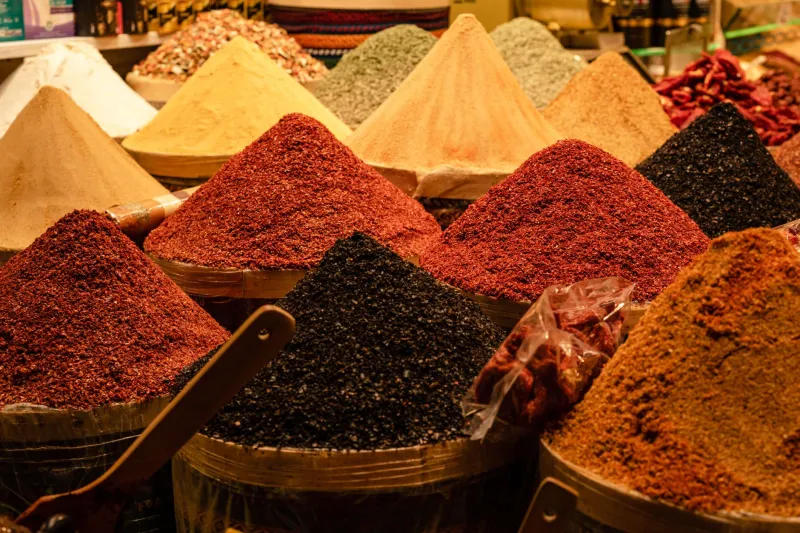
Sumac isn't new. It's been a cornerstone of Lebanese, Syrian, Turkish, and Persian cooking for thousands of years. But for most American home cooks, it's still that mysterious dark-red powder sitting in the back corner of a Middle Eastern grocery store. That's about to change — and honestly, it should have changed a long time ago.
What Does Sumac Actually Taste Like?
Sumac comes from the dried and ground berries of the Rhus coriaria shrub, which grows wild across the Mediterranean and parts of the Middle East. The flavor is hard to pin down if you've never tried it, but here's the closest comparison: imagine lemon juice, but earthier, more complex, and with a subtle astringency that lingers in the best possible way.
It's tangy without being sharp. Fruity without being sweet. And unlike squeezing a lemon over your food — which adds moisture and can sometimes overpower — sumac delivers that brightness in dry form, which means you can rub it into proteins, dust it over dips, or stir it into dressings without changing the texture of your dish at all.
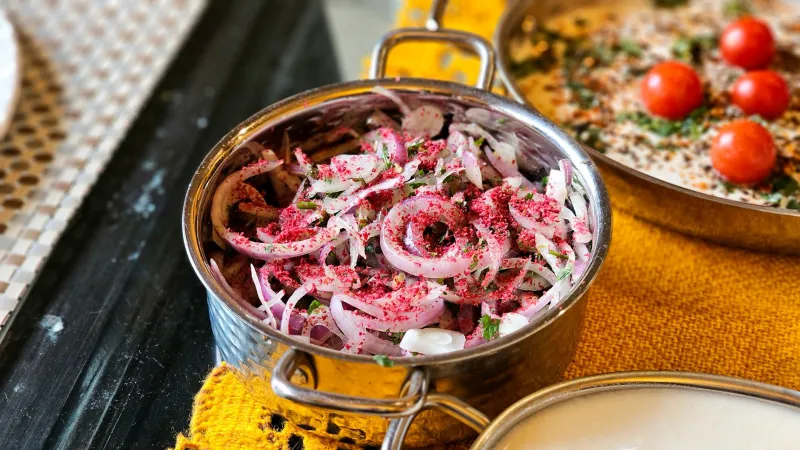
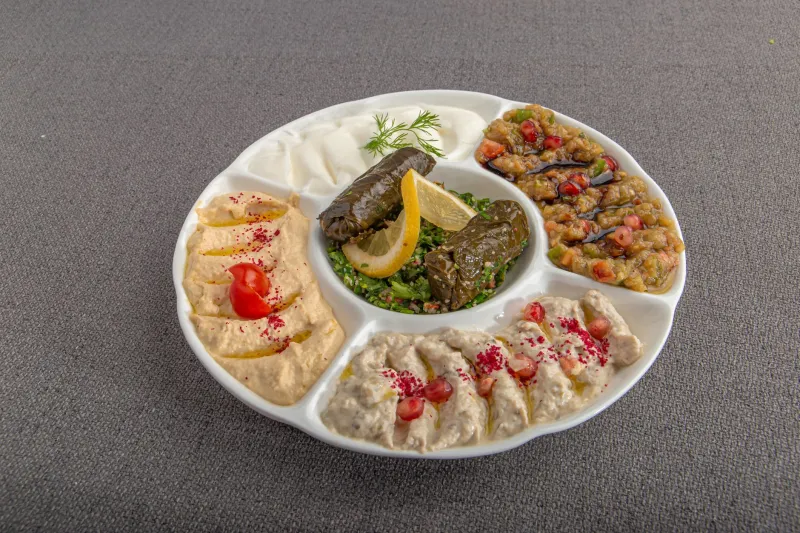
In Lebanon, you'll find it sprinkled over fattoush salad, stirred into muhamarra, rubbed onto chicken before grilling, and mixed into za'atar blends. It's a workhorse spice that rarely gets the solo spotlight — but it absolutely deserves one.
Why Food Scientists Are Paying Attention
Here's where things get interesting beyond just flavor. Sumac is genuinely loaded with polyphenols — plant compounds that act as antioxidants in the body. Research published in journals focused on food chemistry has flagged sumac as one of the highest antioxidant-density spices available, ranking right up there with cloves and cinnamon.
Some studies have also looked at sumac's potential role in supporting healthy blood sugar levels and reducing markers of inflammation. Now, we're not here to make medical claims — but the fact that something this delicious also happens to carry a solid nutritional profile? That's a happy coincidence worth knowing about.
Flavor scientists specifically point to sumac's malic acid content as what makes it such a compelling salt substitute. Salt enhances flavor by suppressing bitterness and boosting overall taste intensity. Acid — especially the kind found in sumac — does something similar, brightening flavors and making other ingredients pop. When your dish tastes flat, sometimes you genuinely need less salt and more tartness. Sumac is one of the easiest ways to get there.
Simple Swaps You Can Make This Week
You don't need to overhaul your cooking to start benefiting from sumac. Here are some genuinely easy ways to work it in, starting tonight:
On eggs: Dust a pinch of sumac over your scrambled eggs or fried egg instead of reaching for hot sauce. The tartness cuts through the richness of the yolk in a way that's almost addictive.
In salad dressings: Replace some or all of the lemon juice in your vinaigrette with a teaspoon of sumac mixed into olive oil. You get the citrus flavor without the extra liquid.
On roasted vegetables: Toss cauliflower, carrots, or sweet potatoes in olive oil and sumac before roasting. The spice caramelizes slightly in the oven and develops a deeper, almost jammy flavor.
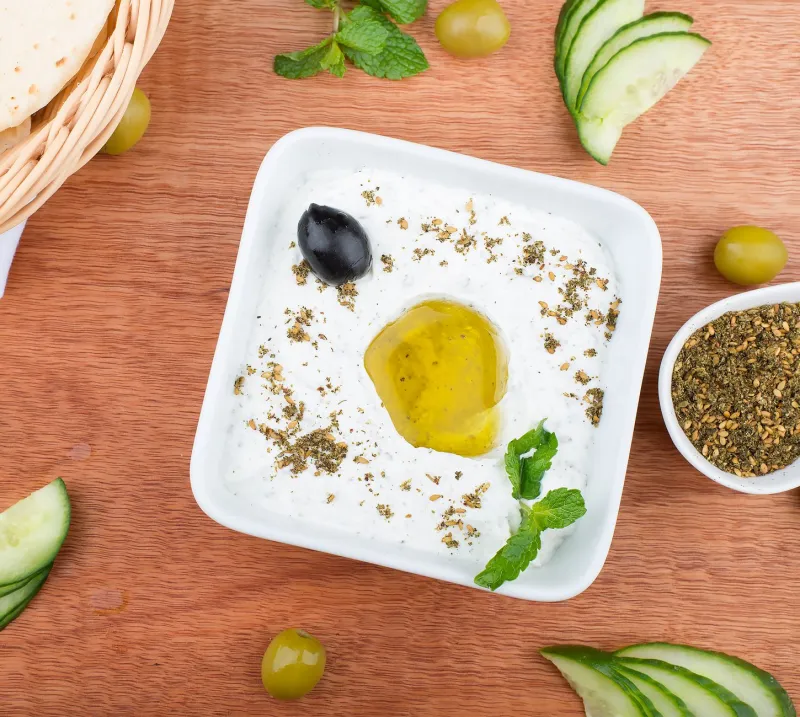
Over hummus or labneh: This is the classic Lebanese move. A swirl of good olive oil and a generous sprinkle of sumac turns a store-bought dip into something that tastes completely homemade.
On grilled chicken or fish: Mix sumac with olive oil, garlic, and a little cumin to make a quick marinade. Thirty minutes is enough. The result is genuinely restaurant-quality.
In your spice rub for red meat: Add sumac to any spice blend you use for lamb, beef, or pork. It balances the richness of the fat and adds complexity that salt alone can't provide.
Beyond Lebanese: Where Sumac Fits in American Cooking
One of the things that makes sumac so exciting for American home cooks is how universally it applies. You don't have to be cooking Lebanese food to use it. It works beautifully in:
- Tex-Mex: Add it to taco seasoning or sprinkle it over guacamole for an unexpected citrusy lift
- BBQ: Mix it into dry rubs alongside smoked paprika and brown sugar
- Italian-ish dishes: Stir it into pasta with olive oil, garlic, and cherry tomatoes instead of adding more lemon
- Grain bowls: Dust it over farro, quinoa, or freekeh bowls for brightness
- Popcorn: Seriously. Sumac popcorn with olive oil and flaky salt is a revelation
The versatility is part of why food trend forecasters have been flagging sumac as a likely breakout ingredient for mainstream American grocery stores. It's already appearing in specialty sections at Whole Foods and in Middle Eastern aisles at larger grocery chains. If you can't find it locally, it's widely available online — look for a deep burgundy-red color and a fresh, slightly fruity smell as signs of good quality.
How to Store It and How Much to Use
Sumac is pretty forgiving, but like all ground spices, it loses potency over time. Keep it in an airtight container away from heat and light, and aim to use it within a year of purchase. Fresh sumac should smell tart and almost berry-like when you open the jar.
As for quantity: start with half a teaspoon and taste as you go. It's not a spice that builds heat, so there's no risk of accidentally making your food too spicy — but the tartness can become prominent if you go heavy-handed before you're used to it.
One Spice, a Whole New Way of Cooking
The Lebanese kitchen has always understood something that Western cooking is only starting to embrace: balance isn't just about salt and fat. It's about brightness, acidity, and that elusive quality that makes a dish feel alive rather than flat. Sumac is one of the tools that gets you there — naturally, affordably, and without having to completely rethink how you cook.
So next time dinner tastes like it's missing something, put down the salt shaker. Reach for the sumac instead. We think you'll be pretty happy you did.