Shake Up Your Weeknight Routine: How Lebanese Spices Turn Ordinary Dinners Into Something Special
Let's be honest. Weeknight cooking isn't glamorous. You're tired, the fridge is half-empty, and the last thing you want is to attempt a recipe that requires twelve steps and a spice you've never heard of. But what if the secret to making dinner feel genuinely exciting wasn't a new recipe at all — just a different spice jar?
That's basically the whole premise behind Lebanese home cooking. The cuisine is built on the idea that bold, layered flavor doesn't have to mean complicated technique. A handful of well-chosen spices can do the heavy lifting, turning a plain roasted chicken or a simple salad into something that actually makes people stop and say, wait, what did you put in this?
Here's your no-fuss guide to three Lebanese pantry staples that belong in every American home kitchen — and exactly how to use them on the foods you're already making.
Za'atar: The Workhorse You Didn't Know You Needed
If you've never cooked with za'atar, think of it as the Lebanese answer to Italian seasoning — except more interesting. It's a dried herb blend typically made from wild thyme (or oregano), toasted sesame seeds, sumac, and salt. The result is earthy, slightly tangy, nutty, and herby all at once.
The beauty of za'atar is that it plays well with basically everything. Here's where it shines on a busy weeknight:
Roasted chicken: Before your chicken thighs go into the oven, mix a couple tablespoons of za'atar with olive oil and rub it all over. That's it. No marinating, no extra steps. The sesame seeds toast against the skin, the herbs bloom in the heat, and you end up with something that tastes like it took way more effort than it did.
Scrambled eggs or omelets: Sprinkle za'atar on top of your eggs right before serving. It sounds almost too simple, but the contrast between creamy eggs and the herby, slightly crunchy blend is genuinely great.
Pasta: Yes, pasta. Toss cooked pasta with olive oil, za'atar, a little lemon zest, and some crumbled feta if you have it. It's not traditional Lebanese by any stretch, but it's a five-minute dinner that feels fresh and different.
Avocado toast: Forget everything else — just try za'atar on avocado toast. It's one of those combinations that makes you wonder why you ever put anything else on it.
You can find za'atar at most Middle Eastern grocery stores, Whole Foods, or online. Brands vary quite a bit, so once you find one you like, stick with it.
Sumac: Your New Secret Weapon for Brightness
If you've ever cooked a dish that tasted a little flat — not bland exactly, just missing something — there's a good chance what it needed was acid. Most American cooks reach for lemon juice or vinegar in that moment. Lebanese cooks often reach for sumac.
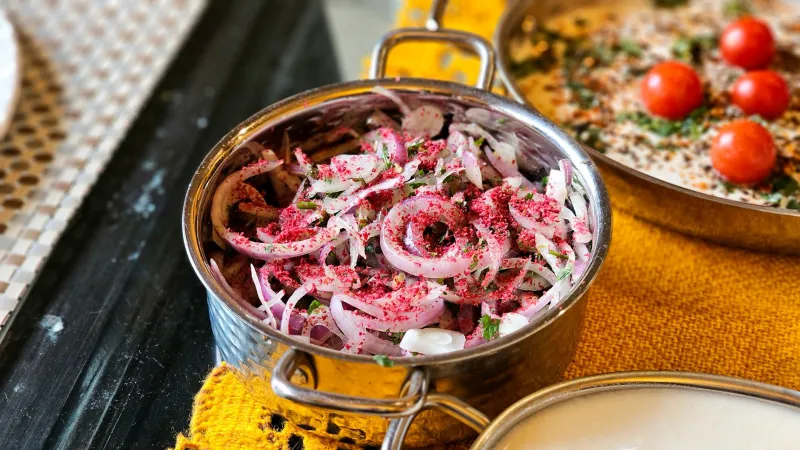
Sumac is a deep burgundy spice ground from dried berries. It's tart, slightly fruity, and has this unique quality of brightening a dish without adding moisture or sharpness the way citrus juice does. It's dry brightness, if that makes sense.
Here's how to use it without overthinking it:
Salads: Sumac is a natural fit for any salad dressing. Whisk a teaspoon into your usual olive oil and lemon vinaigrette, or just sprinkle it directly over a finished salad. It looks gorgeous and adds a pop of flavor that makes even a basic green salad feel more intentional.
Grilled or roasted vegetables: Toss roasted cauliflower, sweet potatoes, or zucchini with sumac and olive oil before roasting. The tartness cuts through the natural sweetness of the vegetables in a really satisfying way.
Popcorn: This one sounds unexpected, but sumac popcorn is genuinely addictive. Toss freshly popped corn with melted butter, sumac, and a little salt. It's the kind of snack that disappears in minutes.
Burgers and sandwiches: Sprinkle sumac over a burger patty or mix it into your mayo for a sandwich spread. It adds complexity without overpowering anything.
Sumac keeps well in a cool, dark pantry for months, so it's a solid investment for your spice rack.
Dukkah: The Finishing Touch That Changes Everything
Dukkah (sometimes spelled duqqa) is technically Egyptian in origin, but it's deeply embedded in the broader Levantine food tradition and shows up regularly in Lebanese-inspired cooking. It's a coarsely ground blend of toasted nuts — usually hazelnuts or pistachios — combined with sesame seeds, coriander, cumin, and salt. The texture is somewhere between a spice and a condiment, and it's incredibly versatile.
The key with dukkah is to use it as a finishing element rather than cooking it into a dish. That way the toasted crunch stays intact.
Dipping: The classic move is to pour olive oil into a small bowl, dip bread into it, then dip the bread into dukkah. It's a traditional Lebanese-style appetizer and one of the easiest things you can put out when people come over.
Roasted salmon or white fish: Press a tablespoon of dukkah onto the top of a fish fillet before baking. It forms a crust that's nutty, aromatic, and way more impressive than plain breadcrumbs.
Grain bowls: Whatever grain bowl you're already making — rice, farro, quinoa — dukkah on top adds crunch, warmth, and a little protein. It transforms a bowl of leftovers into something that feels put-together.
Yogurt dip: Stir dukkah into plain Greek yogurt with a drizzle of olive oil and serve it as a dip with pita or crudités. Honestly one of the easiest crowd-pleasers you'll ever make.
The Bigger Idea Here
What makes Lebanese cooking so adaptable to American kitchens isn't just that the flavors are delicious — it's that the philosophy behind them is practical. Lebanese home cooks have always understood that good food doesn't require complicated technique. It requires good ingredients, used thoughtfully.
Za'atar, sumac, and dukkah aren't exotic novelties you'll use once and forget. They're genuinely functional spices that solve the most common weeknight cooking problem: how do I make something familiar taste exciting again?
The answer, it turns out, was sitting in a jar on a shelf in Beirut the whole time. All you have to do is bring it into your kitchen.
Start with one. See what happens. We're pretty confident you'll want the other two by the end of the week.