How Lebanese Family Meals Are Turning Picky Eaters Into Adventurous Kids
Ask any pediatric nutritionist about the number one complaint they hear from American parents, and the answer is almost always the same: my kid will only eat four things. Chicken nuggets. Mac and cheese. Plain pasta. Maybe pizza, if the sauce isn't showing. The mealtime standoff is practically a national institution at this point.
So when Nadia Haddad, a Lebanese-American mom in suburban Chicago, mentioned casually at a school pickup that her seven-year-old's favorite food was kibbeh nayeh — raw ground lamb mixed with bulgur and spices — the other parents stared at her like she'd said her kid enjoyed eating gravel.
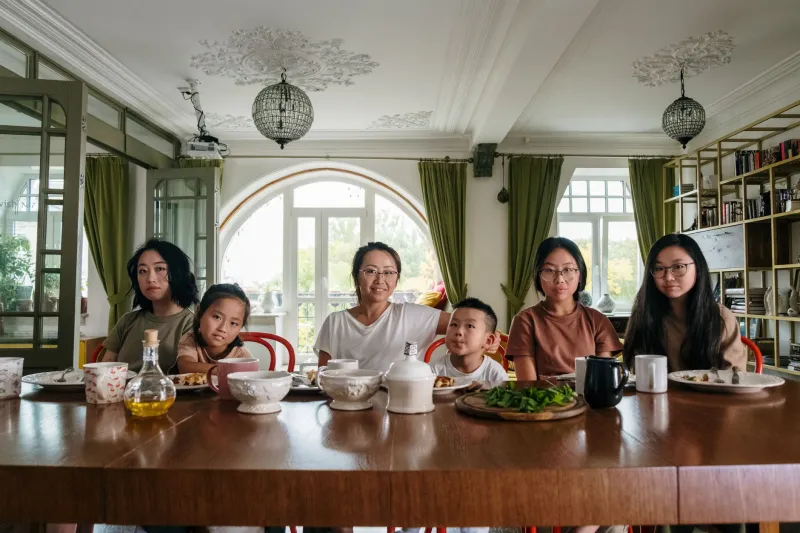
"I didn't think anything of it," Nadia laughed. "That's just what we eat. He grew up at the table with us, eating what we eat. There was never a separate kids' menu."
That's the quiet cultural insight sitting underneath a growing movement among American parents: the Lebanese approach to feeding children isn't a strategy. It's a philosophy. And it might be exactly what stressed-out American families need right now.
The Table as Classroom
In Lebanese households, the dinner table has always been more than a place to eat. It's where culture gets transmitted, stories get told, and — crucially — where kids learn that food is an adventure, not a negotiation.
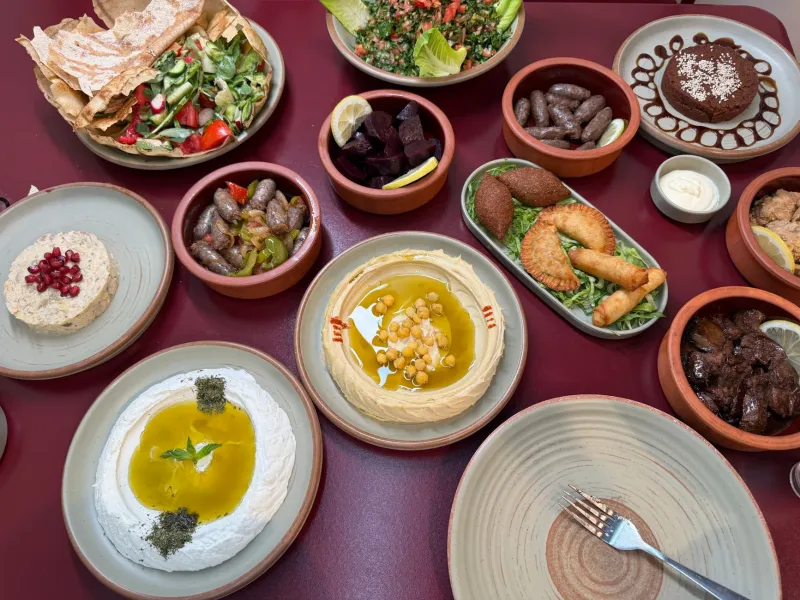
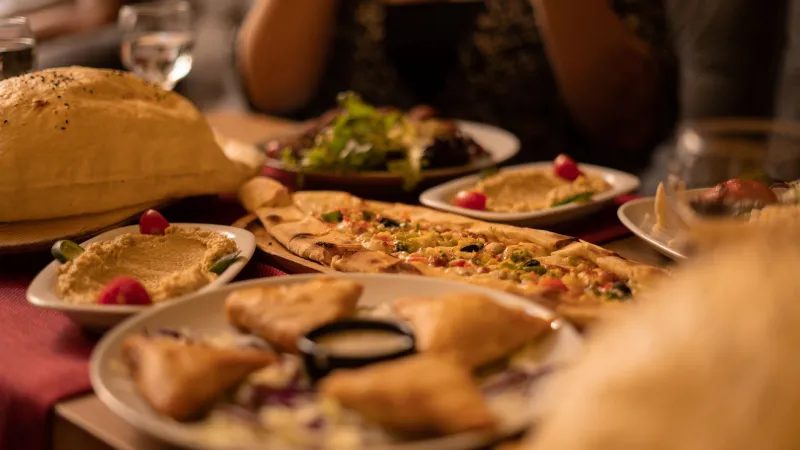
The mezze tradition is central to this. Rather than plating individual portions, Lebanese families typically spread a dozen or more small dishes across the table and let everyone reach for what they want. For kids, this is actually a genius setup. There's no pressure attached to any single dish. If a child tries a bite of fattoush and doesn't love it, there's labneh with olive oil right next to it. Nobody's making a big deal out of either choice.
Child feeding experts call this "division of responsibility" — parents decide what's offered, kids decide what and how much they eat. Lebanese families have been practicing this for generations without giving it a name.
"When everything is on the table together, kids naturally get curious," says Rima Khalil, a Lebanese-American food educator based in Dearborn, Michigan, who runs cooking workshops for families. "They see their parents eating something with enthusiasm, they smell it, they watch. Eventually they try it. You don't have to force anything."
Real Stories From the American Lebanese Table
Samira Aziz, a mom in Houston with three kids under ten, started cooking Lebanese food more intentionally after her mother-in-law visited from Beirut and spent two weeks in the kitchen with her. The shift in her children's eating habits surprised her.
"My oldest had been a really difficult eater," Samira says. "But watching his teta make kibbeh — rolling the meatballs, mixing the bulgur by hand — he wanted to be involved. He started eating it before it even made it to the table. There's something about cooking together that makes kids invested in the food."
That hands-on involvement is another pillar of Lebanese food culture. Kids in Lebanese households aren't typically shooed out of the kitchen — they're given a job. Rolling grape leaves. Pressing the bulgur mixture for kibbeh into shape. Tearing bread for fattoush. Participation creates ownership, and ownership creates willingness to eat.
For non-Lebanese American families who've started incorporating Lebanese dishes, the experience is often similar. Jennifer Marsh in Portland, Oregon, started cooking Lebanese food after her neighbor — a Lebanese woman named Hala — brought over a tray of sfeeha (spiced meat pastries) one afternoon.
"My kids inhaled them," Jennifer says. "I couldn't figure out why they loved these spiced lamb pastries when they wouldn't touch a hamburger. Hala told me it's the spices — Lebanese seasoning is complex but not hot. Kids respond to that depth of flavor. It's interesting without being scary."
The Flavor Science Behind Kid-Friendly Lebanese Food
Jennifer's observation touches on something real. Lebanese seasoning — allspice, cinnamon, coriander, a little nutmeg — is warm and aromatic without the capsaicin heat that makes spicy food a hard sell for young palates. The flavor profile is closer to what kids already love in foods like cinnamon rolls or holiday cookies, just applied to savory dishes.
Tabbouleh is another example. Its bright lemony flavor and fresh herb intensity might sound like a tough sell for kids, but many Lebanese-American parents report that children take to it quickly — especially when they've helped chop the parsley. The crunch of the bulgur and the clean freshness of the mint and lemon are actually very appealing to kids who haven't been conditioned to expect bland food.
Fattoush works similarly. Crispy fried or toasted pita chips, crunchy cucumbers and radishes, and a tangy sumac dressing? That's basically a salad that eats like a snack. Kids who refuse lettuce will often eat fattoush enthusiastically because the textures are satisfying and the pita chips make it feel fun.
Kid-Approved Lebanese Dishes to Start With
If you're looking to introduce Lebanese food to younger eaters, here are the dishes that tend to get the best reception:
Kibbeh balls (fried): Ground lamb or beef mixed with bulgur, pine nuts, and warm spices, then fried into crispy oval shapes. Essentially a Lebanese meatball, but with more interesting texture and flavor. Kids who like meatballs almost always love these.
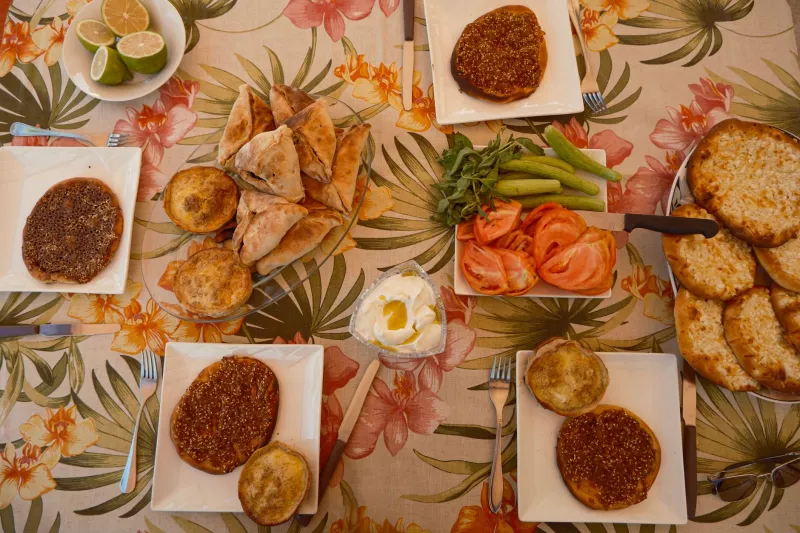
Manakish: Lebanese flatbread topped with za'atar and olive oil, baked until crispy. It's basically pizza's more flavorful cousin. Great for breakfast, snacks, or a side dish. Let kids press the dough and spread the topping themselves.
Hummus with warm pita: A gateway dish, but genuinely one of the best. Make it from scratch with good tahini and a generous hit of lemon, and it tastes nothing like the grocery store version.
Fattoush salad: The crispy pita croutons are the key to winning kids over. Let them help tear the bread.
Lentil soup (shorbat adas): Silky, warming, and naturally sweet from caramelized onions and cumin. Most kids who try it ask for seconds.
Sfeeha: Small open-faced meat pies with spiced ground lamb. Finger food that kids can hold and eat themselves — always a win.
The Bigger Picture: Eating Together Changes Everything
Beyond any specific recipe, what Lebanese food culture offers American families is a reminder that how you eat matters as much as what you eat. The practice of gathering around a table covered in shared dishes, without screens, without separate kids' meals, without pressure — that's the real gift.
Research consistently shows that families who eat together regularly have kids with broader palates, better nutritional outcomes, and stronger family bonds. Lebanese culture has built that practice into the architecture of every meal for centuries.
You don't have to be Lebanese to borrow that wisdom. You just have to pull up a chair, put some kibbeh on the table, and let curiosity do the rest.