Stock the Freezer, Skip the Stress: A Lebanese Batch-Cooking Guide for Busy American Winters
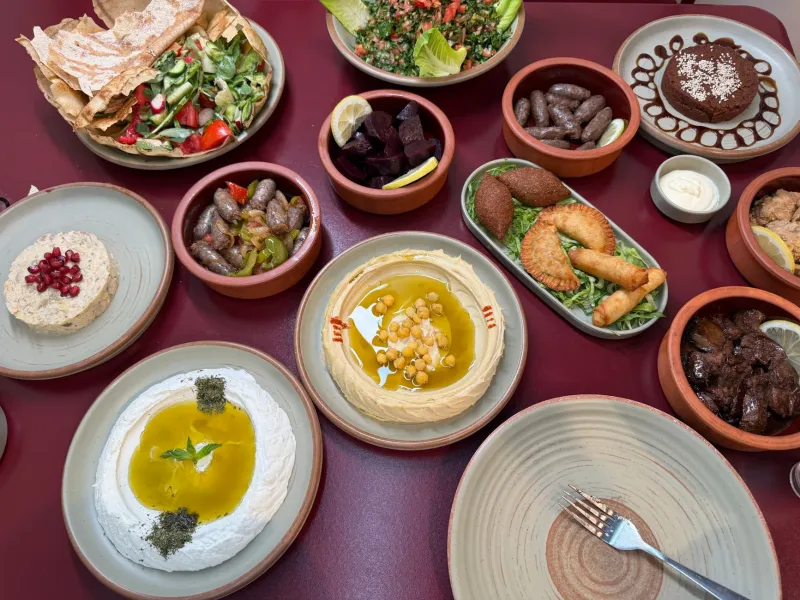
There's a particular kind of dread that hits around 5:30 on a Tuesday in February. The sky is dark, the kids are hungry, and absolutely nobody wants to cook from scratch. Most American families reach for a frozen pizza or a box of pasta. But Lebanese home cooks? They're already ahead of you — pulling something extraordinary out of the freezer that they made weeks ago on a leisurely Sunday afternoon.
This isn't a new trend. Lebanese grandmothers have been batch-cooking and freezing for decades, treating the freezer not as a place for sad leftovers but as a strategic pantry full of future joy. The good news is that their methods translate perfectly into modern American meal-prep culture. All you need is a free afternoon, a few key recipes, and a little reorganization of your freezer shelf.
Why Lebanese Food Freezes So Well
Not every cuisine lends itself to freezing. Delicate salads wilt, creamy sauces separate, and crispy textures turn soggy. But Lebanese cooking has a structural advantage: many of its most beloved dishes are built around ingredients that hold up beautifully in cold storage.
Bulgur wheat, ground lamb, chickpeas, lentils, olive oil, and slow-cooked tomato-based sauces all freeze without losing their character. The spices — cinnamon, allspice, cumin, and the iconic seven-spice blend known as baharat — actually deepen in flavor after freezing and reheating. It's almost like the cold does the dish a favor.
Beyond chemistry, there's philosophy at play. Lebanese cooking is inherently communal and abundant. You don't make a small batch of kibbeh — you make a hundred of them. The tradition of cooking in large quantities isn't just efficiency; it's an expression of generosity. And generosity, it turns out, is a great reason to have your freezer stocked.
The Big Three: What to Batch and Freeze First
Kibbeh
If you're going to start anywhere, start with kibbeh. These torpedo-shaped shells of bulgur and lamb, stuffed with spiced meat and toasted pine nuts, are arguably Lebanon's most iconic dish. They're also a freezer dream.
Shape your kibbeh completely — including the stuffing — then lay them on a parchment-lined baking sheet and freeze until solid before transferring to zip-lock bags. This way, they won't stick together and you can pull out exactly as many as you need. Fry or bake them straight from frozen; they come out crispy on the outside and perfectly cooked inside. A batch of 40 kibbeh made on one Sunday can fuel at least six weeknight dinners without any additional effort.
Warak Dawali (Stuffed Grape Leaves)
Stuffed grape leaves are a labor of love, which is exactly why making a huge batch makes so much sense. The rolling process is meditative when you're not in a rush — put on some music, grab a family member to help, and knock out 60 or 80 at once.
Freeze them raw, tightly packed in layers with parchment between each row. When you're ready to cook, there's no need to thaw — just arrange them in a pot, add your lemon juice and olive oil, and let them braise gently. They come out just as bright and lemony as if you'd rolled them that morning.
Fatayer (Lebanese Savory Pies)
These little stuffed pastries — filled with spinach and sumac, spiced meat, or cheese — are the Lebanese equivalent of a Hot Pocket, except infinitely better. Bake a full sheet pan, let them cool completely, then freeze in single layers. They reheat in a 350°F oven in about 12 minutes and are perfect for school lunches, quick breakfasts, or afternoon snacks.
The Seasonal Logic Behind It All
Here's where Lebanese tradition and modern seasonal eating philosophy actually align beautifully. In Lebanon, late summer and early fall are prime times for preservation. Families put up jars of tomatoes, dry herbs, press olive oil — and yes, fill the freezer before winter sets in.
In the American context, this maps perfectly onto the rhythm of fall farmers markets and the abundance of late-season produce. Make a massive pot of lentil soup in October when the lentils are fresh and the weather is just starting to turn. Batch your kibbeh in November before holiday schedules eat up your weekends. By December and January, when cooking energy is at its lowest, your freezer is doing the work for you.
A Few Practical Tips Before You Start
Label everything. Lebanese dishes can look deceptively similar once frozen. A marker and a piece of masking tape go a long way. Write the dish name, the date, and any reheating notes.
Use flat storage. Freeze soups and stews in zip-lock bags laid flat. They stack like books once frozen, saving enormous space.
Don't freeze tabbouleh — but do freeze its components. Fresh parsley doesn't freeze well once dressed. But you can absolutely freeze pre-cooked bulgur and thaw it as needed. Chop fresh parsley and tomatoes the day you want to eat.
Reheat low and slow. Most Lebanese dishes benefit from gentle reheating. A low oven or a covered pot on the stovetop preserves texture and keeps spices from turning bitter.
Making It a Ritual, Not a Chore
The secret to sustaining a Lebanese-style freezer practice isn't discipline — it's making the cooking day something you actually look forward to. In Lebanese households, batch cooking is social. It's the aunts gathered around a table rolling grape leaves while someone puts on coffee. It's the kids helping press kibbeh shells while flour dusts the counter.
You don't need a big family to recreate that energy. Invite a neighbor over. Make it a monthly thing with a friend who also wants their freezer stocked. Put on a playlist, open a bottle of wine, and spend three hours building a month's worth of comfort.
Winter doesn't have to mean boring food. With a Lebanese-stocked freezer, it can actually be your most delicious season.