How Lebanese Food Quietly Became the Suburban Restaurant Scene's Biggest Success Story
For a long time, the conventional wisdom was that adventurous eating happened downtown. You went to the city for the Persian place, the Ethiopian spot, the Lebanese restaurant your friend kept raving about. The suburbs, the thinking went, were strictly pizza-and-Chinese territory.
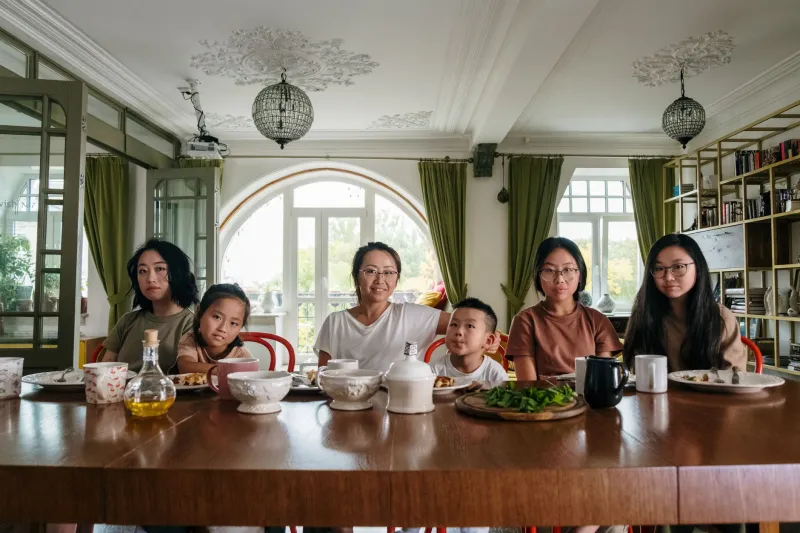
That story is outdated. Walk through suburban strip malls in New Jersey, Texas, Michigan, or California right now and you'll find Lebanese restaurants not just surviving but genuinely thriving. They're drawing weeknight crowds. They're booking out for weekend family dinners. And the people filling those seats aren't exclusively Lebanese-American families — they're everyone.
Something has shifted. And it's worth paying attention to what that shift actually means.
The Numbers Don't Lie
The growth of Middle Eastern restaurants outside major metropolitan areas has been one of the quieter food stories of the past decade. According to data from the National Restaurant Association, Mediterranean and Middle Eastern cuisine has consistently ranked among the fastest-growing restaurant categories in the US, with much of that growth happening in suburban and secondary markets rather than urban cores.
Chains like Cava have helped normalize the format, but independent Lebanese restaurants are where the real cultural action is. Family-owned spots in places like Dearborn Heights, Michigan; Plano, Texas; and Edison, New Jersey have become genuine community anchors — the kind of place where a table of regulars knows the owner by name and the owner knows what they're going to order before they sit down.
That kind of loyalty is hard to manufacture. It grows organically, and it's a sign that something deeper than trend-chasing is happening.
Why Suburbs? Why Now?
Several forces are converging at once.
First, the Lebanese-American community itself has grown and dispersed. There are an estimated 500,000 to 3 million Americans of Lebanese descent, depending on how heritage is counted, and they are not concentrated in a handful of cities. They live in suburbs across the country, and where communities settle, restaurants follow. These restaurants start by serving the diaspora and end up serving the whole neighborhood.
Second, suburban Americans are eating differently than they were twenty years ago. The explosion of food media — cooking shows, YouTube channels, TikTok recipe videos, food travel content — has dramatically broadened the average American's culinary reference points. A family in suburban Ohio that watches a travel series set in Beirut is going to be curious about the food. When a Lebanese restaurant opens nearby, they're not intimidated. They're excited.
Third, the price point works. Lebanese food, at its core, is built around ingredients like chickpeas, lentils, flatbread, and fresh vegetables. A satisfying meal — hummus, shawarma, a fattoush salad, some warm pita — can be genuinely affordable in a way that many other restaurant categories can't match. In a suburban market where families are eating out three or four times a week, value matters enormously.
What the Menu Tells Us About American Tastes
If you want to understand how American palates have evolved, look at what's selling in suburban Lebanese restaurants. It's not just the familiar hummus and pita, though those remain perennial bestsellers. It's the more adventurous stuff that's gaining ground.
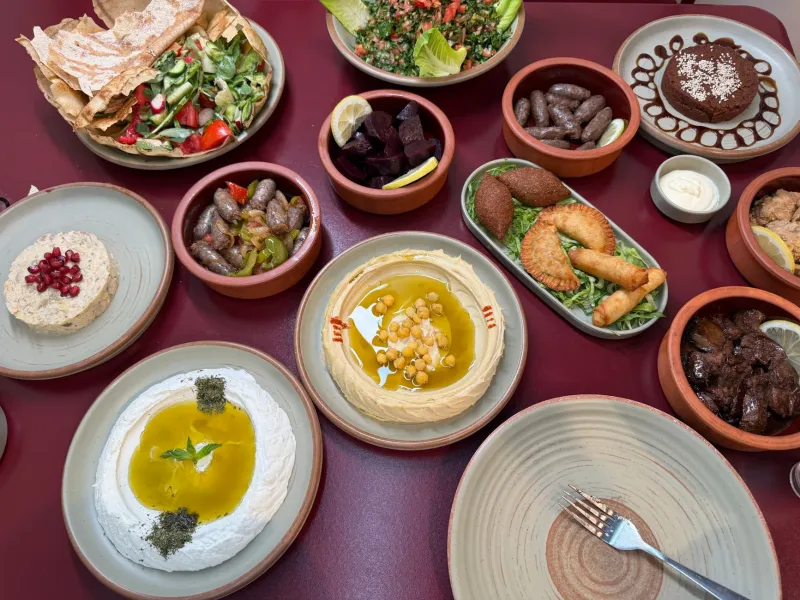
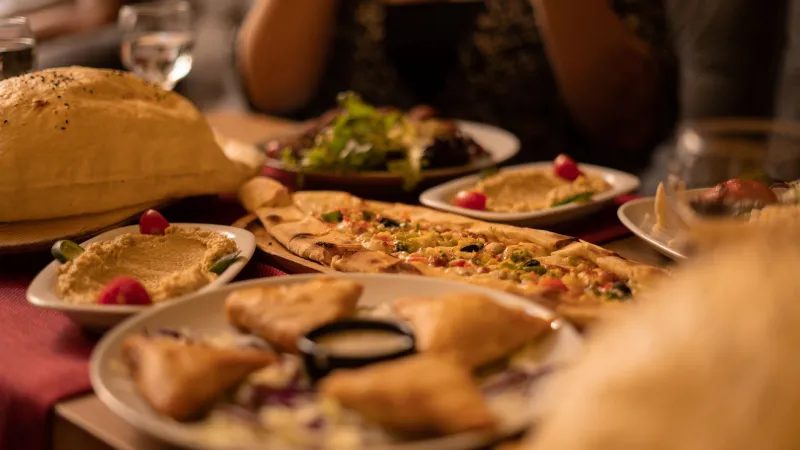
Shawarma has become almost mainstream — a genuinely bold, spiced, slow-roasted meat wrapped in flatbread that would have been considered exotic in many suburban markets not long ago. Fattoush, with its sumac-dressed vegetables and crispy pita chips, is winning over salad eaters who are bored of Caesar. Labneh — that thick, tangy strained yogurt — is showing up on suburban appetizer menus and disappearing fast.
People are ordering things they can't quite pronounce yet, and they're coming back for them. That's the real signal. It's not novelty-seeking. It's genuine affection for flavors that are bright, layered, and satisfying in a way that feels different from what they've been eating.
The Role of Hospitality in the Equation
There's another factor that doesn't show up in economic analyses but matters enormously: Lebanese restaurants are exceptionally good at making people feel welcome.
Hospitality isn't an add-on in Lebanese culture — it's the whole point. The Arabic concept of diyafa, or generous hosting, is baked into how these restaurants operate. You get a little extra of something. The server explains the menu with genuine enthusiasm. The owner comes out to check on the table. There's an atmosphere of abundance and warmth that a lot of American dining experiences, especially in the casual dining category, have lost.
Suburban families notice this. In a restaurant landscape where service can feel transactional and generic, a place that actually makes you feel like a guest stands out dramatically.
What It All Adds Up To
The rise of Lebanese restaurants in the suburbs isn't just a restaurant trend. It's a reflection of a broader cultural openness that's been building quietly for years. American eaters — especially younger ones — are actively seeking out cuisines with history, depth, and authenticity. They want to know where flavors come from. They want food that feels like it means something.
Lebanese cuisine delivers all of that. It's ancient and contemporary at the same time. It's healthy without being austere. It's meant to be shared, which fits perfectly with how American families actually want to eat when they go out together.
The suburban boom isn't a fluke. It's a signal that Lebanese food has officially moved from niche to necessary — and American dining is better for it.