Wheels, Wraps, and Community: How Lebanese Food Trucks Are Winning Over American Cities
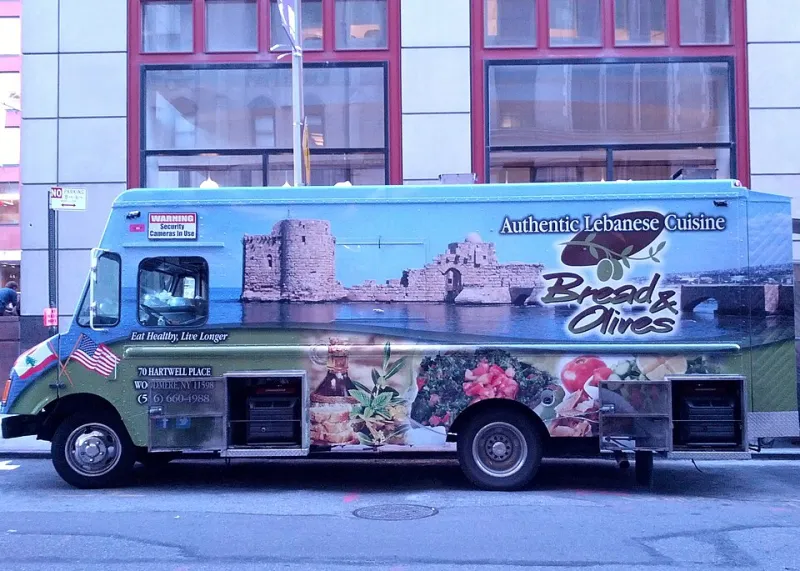
Photo: altiemae, CC BY 2.0, via Wikimedia Commons
On a Tuesday afternoon in Austin, Texas, a line stretches down the sidewalk outside a bright orange food truck. The menu is handwritten on a chalkboard. The smell is extraordinary — garlic, cumin, sizzling meat, fresh herbs — and it stops people mid-stride. Most of them have never eaten Lebanese food before. By the time they reach the window, they're already planning to come back.
This scene is playing out in cities across the US, from Chicago to Seattle to Miami. Lebanese food trucks and pop-up kitchens are quietly becoming one of the more compelling chapters in American street food culture — and the people driving that movement are, in many cases, immigrants and first-generation Lebanese-Americans who saw an opportunity to share something they'd carried with them from home.
Why Street Food, Why Now
Lebanesian street food has a long, vibrant history. Shawarma stands, falafel carts, man'oushe bakeries — these are institutions in Beirut, Tripoli, and Sidon, places where people stop on their way to work, eat standing up, and carry on. The food is fast but it's not cheap in quality. It's built on technique, on fresh ingredients, on recipes refined over generations.
That pedigree turns out to translate extraordinarily well to the American food truck format. "Lebanese street food was designed for exactly this," says Ziad Mansour, who launched his food truck, Beirut on Wheels, in Houston in 2021. "It's portable. It's bold. It's meant to be eaten on the go. I didn't have to change anything about the food — I just had to bring it here."
Ziad came to the US from Lebanon in 2015, worked in restaurant kitchens for several years, and eventually decided the food truck model gave him something a traditional restaurant couldn't: lower startup costs, direct community access, and the freedom to move. "I could go to a neighborhood, park, feed people, and build a relationship before I ever committed to a lease," he says.
That flexibility has made the food truck format particularly appealing to immigrant entrepreneurs who are building businesses with limited capital but enormous culinary knowledge. The barrier to entry is lower. The risk is more manageable. And the direct customer interaction — the ability to explain a dish, share its story, watch someone take their first bite — is something no dining room can quite replicate.
The Dishes That Travel Best
Not every element of Lebanese cuisine lends itself to the truck window. But a surprising number of the most iconic dishes do — and they do it beautifully.
Shawarma is the obvious flagship. Slow-roasted on a vertical spit, shaved to order, tucked into warm flatbread with garlic sauce, pickles, and tomatoes — it's the kind of food that's been feeding people on the move for centuries. The American food truck version doesn't need to be a reinvention. It just needs to be done right.
Falafel is similarly road-ready. Crispy outside, herby and tender inside, endlessly customizable with toppings and sauces — it travels well, it serves quickly, and it appeals to vegetarians and meat-eaters alike, which matters enormously when you're trying to build a broad customer base.
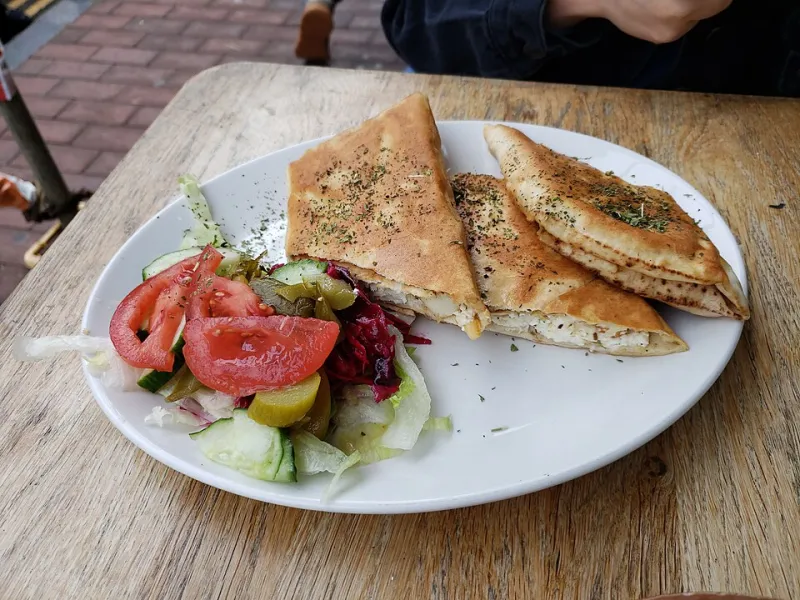
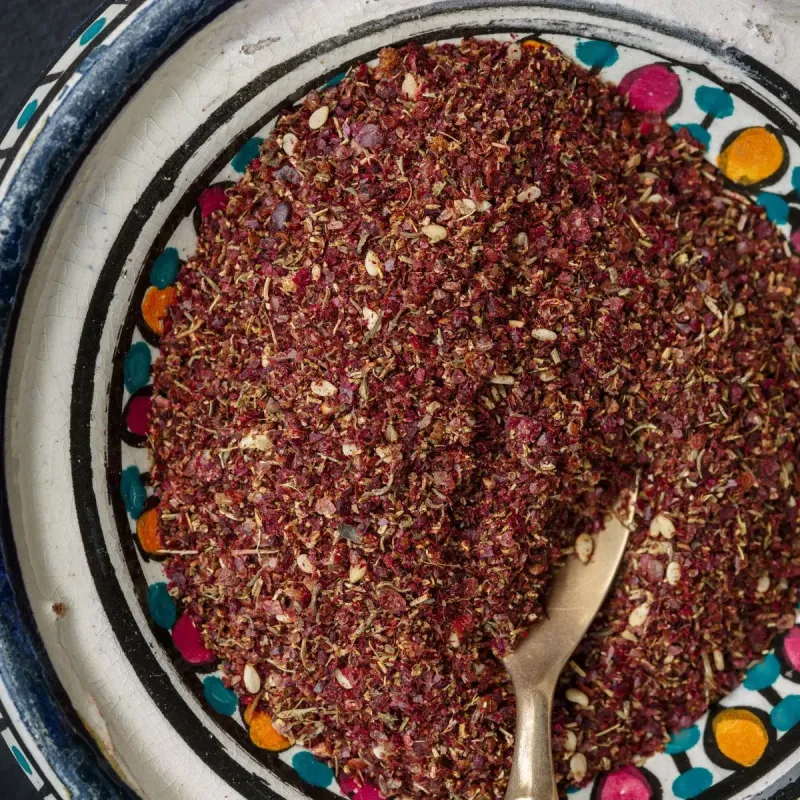
Man'oushe — Lebanon's beloved flatbread topped with za'atar and olive oil, or cheese, or spiced meat — is having a genuine moment. Several Lebanese truck operators have built their entire concept around it, positioning it as a Lebanese answer to pizza, which isn't far off. It's fast, it's satisfying, and once someone tries it, they tend to become a regular.
Rima Daher runs a man'oushe pop-up in Portland, Oregon, that started as a weekend farmers' market stall and has grown into a small catering operation. "People come back every single week," she says. "They bring their friends. They bring their kids. I've had people tell me it's become part of their Saturday ritual. That's not just food — that's community."
Building Community, One Truck Stop at a Time
That word — community — comes up constantly when you talk to Lebanese food truck operators. It's not marketing language. It reflects something genuine about how these businesses function and what they mean to the people running them.
For many Lebanese-American entrepreneurs, the food truck isn't just a business. It's a cultural outpost. A place where the diaspora can find something familiar, and where curious newcomers can find something new. Ziad describes his truck as "a little piece of Beirut in Houston." He's had customers come to the window in tears because the shawarma reminded them of home. He's also had customers who'd never heard of Lebanon ask him to explain every item on the menu.
"Both of those things happen in the same afternoon," he says, laughing. "And both of them are the whole reason I do this."
This dual role — serving the diaspora and introducing Lebanese food to new audiences — is part of what makes the food truck format so effective as a cultural bridge. There's no dress code, no reservation, no intimidation factor. You walk up, you order, you eat. The food does the talking.
What's Next for Lebanese Street Food in America
The trajectory looks strong. Food industry analysts have noted a sustained uptick in Middle Eastern food concepts across the US over the past several years, driven partly by broader consumer interest in global flavors and partly by the visibility created by Lebanese food trucks and pop-ups doing the grassroots work.
Some operators are using their trucks as launching pads for brick-and-mortar locations. Others are staying mobile by choice, finding that the flexibility suits both their business model and their lifestyle. A few are expanding into catering, bringing Lebanese street food to corporate events, weddings, and community festivals.
Rima Daher has started hosting occasional cooking demos at her pop-up, teaching customers how to make za'atar blends and explaining the origins of man'oushe. "I want people to take something home beyond just the food," she says. "I want them to understand where it comes from. Because when you understand that, you appreciate it differently."
Ziad is more concise about his ambitions. "I want every person in Houston to have eaten a proper shawarma," he says. "That's it. That's the mission."
With trucks like his rolling through neighborhoods that have never had a Lebanese restaurant within ten miles, that mission is closer to reality than it's ever been.