Your Lebanese Pantry Starts Here: A US Shopper's Guide to Finding the Real Stuff
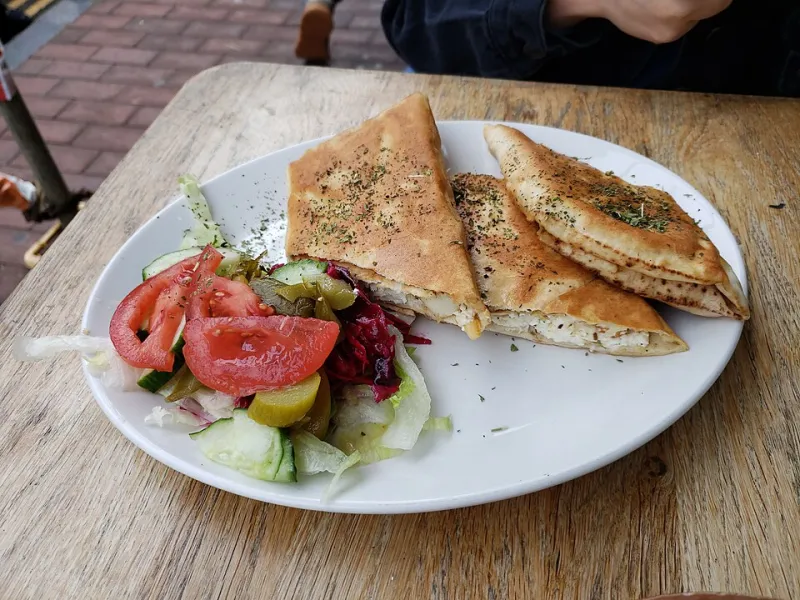
Photo: Andy Li, CC0, via Wikimedia Commons
Let's be honest—there's a moment every home cook hits when a Lebanese recipe calls for something like orange blossom water or dried za'atar leaves, and the regular grocery store just isn't going to cut it. You wander the international aisle, pick up something labeled "Mediterranean seasoning blend," and know deep down it's not quite right.
The good news? You don't have to settle. Authentic Lebanese staples are more available across the US than most people realize. You just need to know where to look. Whether you're in a major metro or somewhere more rural, this guide breaks down your best options—store by store, click by click.
Start With What's Already Near You
Before you open a browser, check your surroundings. Cities with established Middle Eastern or Arab American communities—Dearborn, Michigan; Brooklyn, New York; Houston, Texas; Los Angeles; and parts of the DC metro area—often have Lebanese or broader Middle Eastern grocery stores that are genuinely stocked with the real deal.
Look for stores with names that include words like "Mediterranean Mart," "International Foods," or simply the name of a country or region. These shops regularly carry:
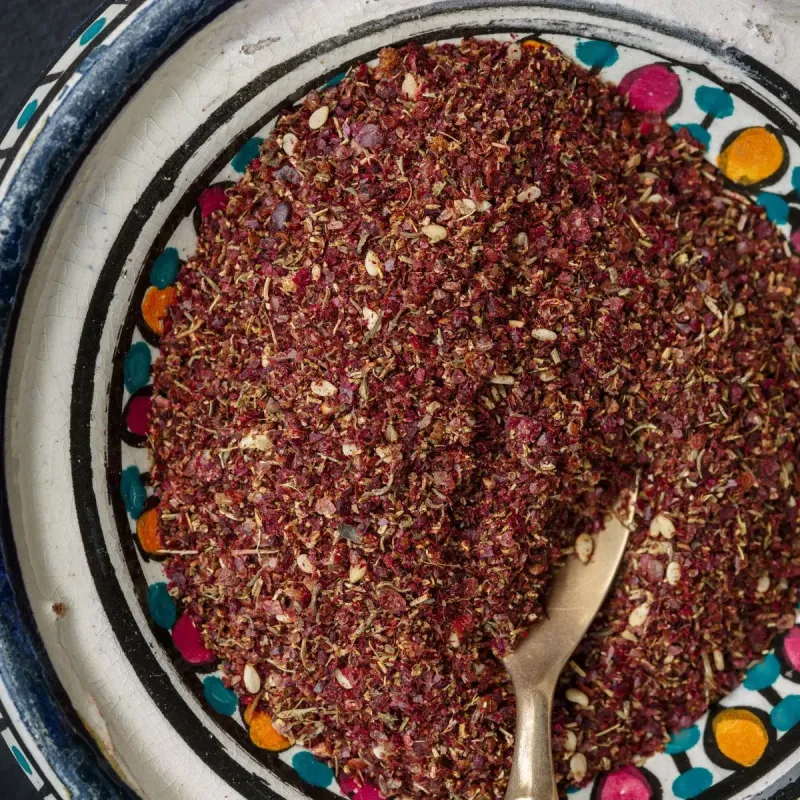
- Sumac (the tangy, deep-red spice that brightens fattoush and grilled meats)
- Pomegranate molasses (thick, tart, and absolutely irreplaceable in muhammara or marinades)
- Tahini — not just any tahini, but Lebanese-style stone-ground paste with a slightly bitter, rich depth
- Rose water and orange blossom water for desserts like maamoul or atayef
- Dried herbs like za'atar leaves and wild thyme
- Freekeh, the smoky green wheat that makes Lebanese soups and pilafs sing
Call ahead if you're not sure. Most small Middle Eastern grocery owners are incredibly helpful and will tell you exactly what they carry.
Whole Foods, Trader Joe's, and Specialty Grocers
For ingredients that have crossed into the mainstream, Whole Foods Market is a surprisingly solid option. You'll often find decent-quality pomegranate molasses, tahini from brands like Soom or Seed + Mill, and sometimes sumac in the bulk spice section. Trader Joe's carries a Lebanese-style tahini and occasionally stocks za'atar blends, though these tend to be more of the oregano-heavy Israeli-style mix rather than pure Lebanese za'atar thyme.
World Market (Cost Plus) is another underrated stop—their international pantry section often includes pomegranate molasses, rose water, and dried legumes like fava beans that are essential for a proper ful medames.
The Online Retailers Worth Bookmarking
If local options are limited, the internet is your best friend. A few retailers stand out for consistency, quality, and genuine Lebanese sourcing:
Kalustyan's (kalustyans.com) — Based in New York City but shipping nationwide, Kalustyan's is basically a legend in the specialty food world. Their selection of Lebanese and Middle Eastern pantry items is enormous: multiple varieties of sumac, several tahini brands, whole dried limes, mahlab (the cherry pit spice used in holiday breads), and mastic resin for those ambitious dessert projects.
Sadaf (sadaf.com) — Originally catering to the Iranian-American community, Sadaf stocks a huge range of Middle Eastern pantry goods that overlap heavily with Lebanese cooking. Great for pomegranate molasses, rose water, dried herbs, and specialty grains.
Amazon — Yes, really. Search specifically for brands like Al Wadi, Cortas, or Baroody for pomegranate molasses and tahini. These are Lebanese-produced brands with real provenance, and they ship fast. Just read reviews carefully and check expiration dates on arrival.
The Lebanese Pantry and similar small-batch importers occasionally pop up on Etsy and specialty food platforms—worth searching if you're after something very specific like Aleppo pepper from Syrian border regions or hand-harvested wild za'atar.
A Word on Olive Oil
Lebanese olive oil deserves its own moment. It's fruitier and often more robust than the Italian or Spanish varieties most American kitchens default to. Brands like Canaan Fair Trade (Palestinian, but from the same agricultural tradition) and Al'Ard are available online and at some specialty stores. For a genuinely Lebanese-produced oil, check importers like Phoenicia Specialty Foods, which operates both a Houston storefront and online sales.
If you can't find Lebanese olive oil, a good-quality Greek extra virgin gets you closer to the flavor profile than most Italian options.
Fresh Za'atar: The Trickiest Hunt
Fresh za'atar leaves—actual Origanum syriacum, the wild thyme native to the Levant—are the hardest ingredient to track down in the US. The plant is different from common thyme and oregano, with a specific earthy, slightly medicinal bite that dried versions approximate but don't fully replicate.
Your best bets: Lebanese or Middle Eastern grocers in cities with large Arab communities sometimes receive fresh bundles. Persian New Year (Nowruz) season in March often brings fresh herb bundles to Iranian grocery stores, and za'atar leaves occasionally appear alongside. Some farmers markets in California and Texas carry it from small specialty growers. And if you're really committed, the plant is legal to grow in the US—seeds are available from specialty herb nurseries online.
Smart Substitutions When You're Stuck
Sometimes you just need to cook, and the ingredient hunt can wait. Here are a few practical swaps that keep the spirit of the dish intact:
- No sumac? A mix of lemon zest and a tiny splash of red wine vinegar gets you some of that brightness.
- No pomegranate molasses? Reduce equal parts pomegranate juice and a little sugar until syrupy, then add a squeeze of lemon.
- No freekeh? Farro has a similar chewiness and mild smokiness that works well in soups.
- No orange blossom water? A few drops of real vanilla extract plus a small strip of orange zest steeped in warm water is a reasonable stand-in for lighter applications.
Substitutions are a bridge, not a destination. Once you've tasted the real thing, you'll understand why the hunt is worth it.
Build Your Pantry Over Time
You don't need to source everything at once. Start with the ingredients that appear most often across Lebanese cooking: good tahini, pomegranate molasses, sumac, and quality olive oil. From there, you can add freekeh, dried limes, mastic, and mahlab as your cooking gets more adventurous.
Cooking Lebanese food at home is one of the most joyful things you can do in a kitchen. The flavors are layered, the ingredients are largely plant-forward, and every dish carries a story. Getting the pantry right is just the first chapter.