Ancient Grains, Modern Gains: Why Lebanese Home Cooking Is America's Quiet Wellness Revolution
Walk through any major US city right now and you'll find wellness culture absolutely everywhere — matcha lattes on every corner, gut-health podcasts topping the charts, and grocery shelves lined with supplements promising to do what a good meal probably could. It's a lot. And honestly? Lebanese home cooks have been quietly laughing about it for decades.
Because here's the thing: the ingredients at the center of Lebanese cuisine — lentils, olive oil, fresh herbs, chickpeas, pomegranate, whole grains — aren't trends. They're a tradition. One that stretches back thousands of years across the Levant, shaped by a landscape that demanded people eat smart, eat seasonally, and waste absolutely nothing. What modern nutritional science is just now quantifying with clinical studies, Lebanese home kitchens have been practicing intuitively for generations.
And more Americans are starting to notice.
The Lentil Soup That Does More Than Warm You Up
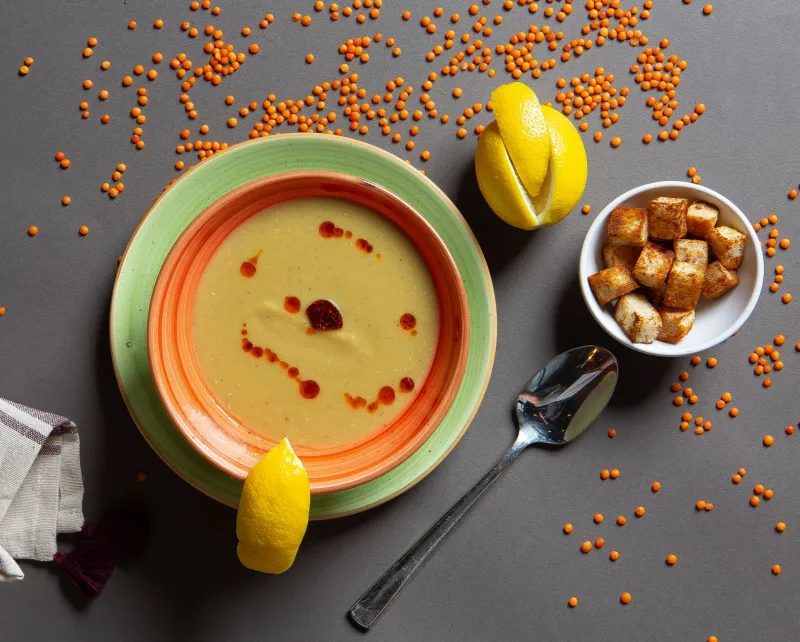
Let's start with adas bi hamod — Lebanese lentil soup with lemon and Swiss chard. If you've never had it, picture this: a deeply savory, golden bowl built on red lentils, caramelized onions, cumin, and a bright hit of fresh lemon juice, finished with wilted greens. It's the kind of thing that makes you feel genuinely better after eating it, not just full.
And there's a reason for that beyond comfort. Red lentils are one of the most bioavailable plant-based protein sources available, packed with folate, iron, and slow-digesting fiber that stabilizes blood sugar for hours. The Swiss chard brings magnesium and vitamin K. The lemon doesn't just brighten flavor — the vitamin C actually enhances iron absorption from the legumes. Even the cumin has documented anti-inflammatory properties.
This isn't a coincidence. It's centuries of accumulated culinary wisdom, dressed up as a weeknight dinner.
Fattoush Isn't Just a Salad — It's a Philosophy
American salad culture has a complicated relationship with satisfaction. We've been conditioned to think of salad as deprivation food — sad greens, dressing on the side, the meal you eat when you're punishing yourself. Fattoush is the antidote to all of that.
A proper fattoush is loud, crunchy, and deeply satisfying. Romaine and purslane (a wild green that's one of the richest plant sources of omega-3 fatty acids on earth), radishes, tomatoes, cucumbers, fresh mint, parsley, and sumac-dusted toasted pita — all tossed in a bright, tangy dressing built on pomegranate molasses and good olive oil. It's a salad that actually wants to be eaten.
Purslane alone is worth talking about. It's been used in Middle Eastern cooking forever, but Western nutrition researchers only started paying serious attention to it in the last couple of decades. What they found confirmed what Lebanese cooks already knew: this humble weed is nutritionally extraordinary. High in alpha-linolenic acid (the plant-based omega-3), it supports cardiovascular health and reduces systemic inflammation — the kind of chronic, low-grade inflammation increasingly linked to everything from depression to autoimmune conditions.
Sumac, that tangy crimson spice dusted over the top? It's one of the highest antioxidant-density spices in any cuisine, period.
Olive Oil Isn't a Trend. It's the Foundation.
American wellness culture has spent years chasing the next great fat — coconut oil, avocado oil, MCT oil. Meanwhile, Lebanese cooking never stopped using extra-virgin olive oil as its cornerstone ingredient, and the science behind that loyalty just keeps getting stronger.
The polyphenols in high-quality EVOO have been shown to reduce LDL oxidation, support healthy gut microbiome diversity, and even exhibit neuroprotective properties. In Lebanese cooking, olive oil isn't a finishing drizzle or a special-occasion luxury. It's poured generously over hummus, used to sauté vegetables, stirred into grain dishes, and used to preserve herbs. It shows up at breakfast, lunch, and dinner.
When you cook Lebanese food at home, you're essentially bathing your meals in one of the most studied and celebrated health-promoting fats in human nutrition. That's not a bad deal.
The Mental Health Piece Nobody's Talking About Enough
Nutrition science is increasingly clear that what we eat affects how we feel — not just physically, but emotionally and neurologically. The gut-brain axis is a real and well-documented pathway, and diets rich in fermented foods, fiber, and anti-inflammatory compounds have measurable effects on mood and cognitive function.
But there's another dimension to Lebanese food's wellness story that goes beyond macros and micronutrients: it's the way it's meant to be eaten.
Lebanese meals are built for communal consumption. Mezze spreads encourage slow, unhurried eating. Dishes are shared, not portioned. Conversation is considered as essential to the meal as the food itself. This isn't incidental — it's structural. The format of a Lebanese table actively works against the kind of distracted, isolated, rushed eating that characterizes so much of American food culture and contributes to both physical and psychological stress.
Research consistently shows that eating with others, eating slowly, and eating with intention are all associated with better digestion, lower cortisol levels, and greater meal satisfaction. Lebanese food culture embeds all three into its DNA.
Herbs as Medicine, Not Just Garnish
Walk through a Lebanese kitchen and you'll find bundles of fresh parsley, mint, cilantro, and thyme treated with the same reverence Americans might reserve for expensive supplements. That's because in the Levantine culinary tradition, herbs have always been understood as functional foods — not decoration.
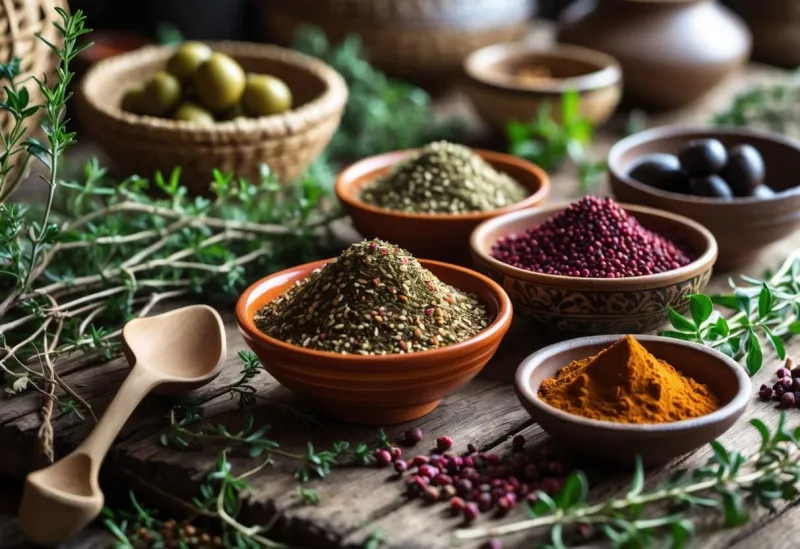
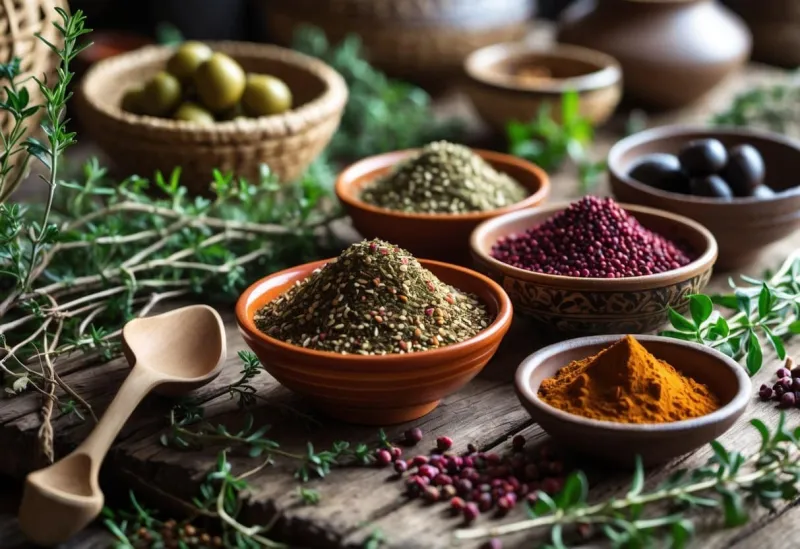
Parsley is loaded with vitamin C, vitamin K, and flavonoids. Fresh mint supports digestion and has mild antimicrobial properties. Za'atar — the wild thyme blend that shows up on everything from flatbread to roasted vegetables — contains carvacrol and thymol, compounds with well-documented antimicrobial and antioxidant effects. Studies have even examined za'atar's potential cognitive benefits, with some research suggesting regular consumption may support memory and focus.
When Lebanese cooking calls for a full cup of parsley in a tabbouleh, that's not excess. That's medicine in disguise.
Bringing It Home
You don't need a wellness subscription, a specialty supplement store, or an expensive meal kit to eat this way. You need a bag of lentils, a good bottle of olive oil, a bunch of fresh herbs, and a willingness to spend a Sunday afternoon in the kitchen.
Lebanese home cooking isn't a diet. It isn't a cleanse. It's just food — real, ancient, deeply considered food — that happens to align remarkably well with everything modern science tells us about eating for longevity, energy, and joy.
And that last part matters too. Because food that makes you feel good should also taste incredible. On a Lebanese table, those two things have never been in conflict.
That might be the most radical wellness idea of all.