Ditch the Appetizer Platter: Why Meze Boards Are Taking Over American Dinner Tables
There's a moment at almost every dinner party when the host sets down a platter of store-bought bruschetta or a half-hearted veggie tray, and everyone politely grazes while they wait for the real food to arrive. It's fine. Nobody complains. But nobody's exactly thrilled, either.
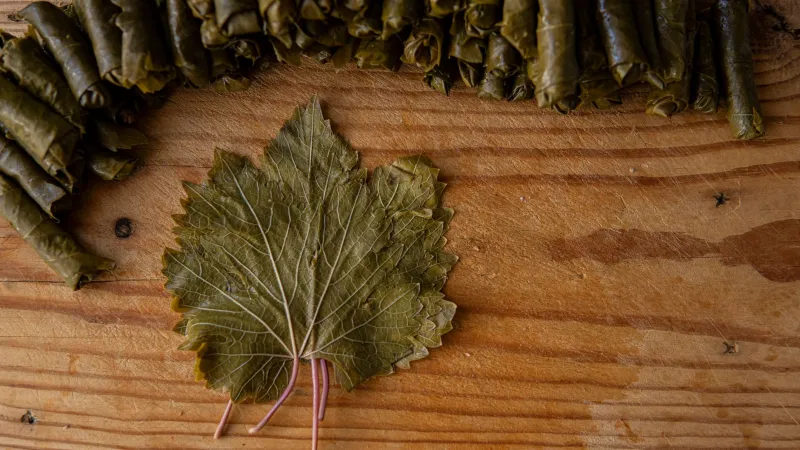
Now picture a different scene: a wide wooden board loaded with golden hummus swirled with olive oil, a bright scoop of baba ghanouj, herb-flecked tabbouleh, warm pita wedges, olives glistening in brine, stuffed grape leaves, crispy falafel, and a handful of crunchy radishes for good measure. Guests lean in. Conversations start. People reach across each other, share bites, ask questions. The party has already begun — and the main course hasn't even hit the table yet.
That's the meze board effect. And across the US, home entertainers are catching on fast.
What Exactly Is a Meze Board?
The word meze (sometimes spelled mezze) comes from the Arabic and Persian traditions of serving small, shareable dishes alongside drinks or before a larger meal. In Lebanon, meze isn't just a starter — it's practically a philosophy. The idea is that food tastes better when it's abundant, varied, and meant to be passed around. A proper Lebanese meze spread might include a dozen or more small plates, from cool yogurt dips to warm fried bites to pickled vegetables that cut through richer flavors.
The meze board is the American home cook's accessible entry point into that tradition. Think of it as a curated collection of Lebanese-inspired small bites arranged on a large board or platter — something between a grazing table and a carefully composed first course. The beauty is in the variety, the color, and the invitation to eat without rules.
Why This Trend Is Resonating Right Now
American entertaining habits have shifted pretty dramatically over the past several years. People are more health-aware, more diet-diverse, and more interested in experiences than in formal sit-down meals. A meze board checks every one of those boxes without even trying.
For starters, Lebanese meze is naturally inclusive. Most of the classic components — hummus, baba ghanouj, tabbouleh, stuffed grape leaves, falafel — happen to be plant-based. That means your vegan friend, your gluten-curious coworker, and your meat-loving neighbor can all eat from the same board without anyone feeling like an afterthought. That kind of effortless inclusivity is genuinely hard to pull off with most appetizer formats.
There's also the health angle. Mediterranean-style eating consistently tops "best diet" lists in the US, and Lebanese cuisine sits right at the heart of that tradition. Olive oil, legumes, fresh herbs, whole grains, vegetables — these are the building blocks of meze. Guests who are watching what they eat can enjoy themselves fully, which makes for a more relaxed, convivial atmosphere all around.
And then there's the interactive element. Meze boards invite participation. People scoop, stack, dip, and mix. They build their own combinations. That physical engagement with food creates a kind of social warmth that a passed appetizer tray simply can't replicate.
Building Your Board: The Core Components
You don't need to be a trained chef or a Lebanese grandmother to pull together a stunning meze board. You do need a little intention. Here's a simple framework:
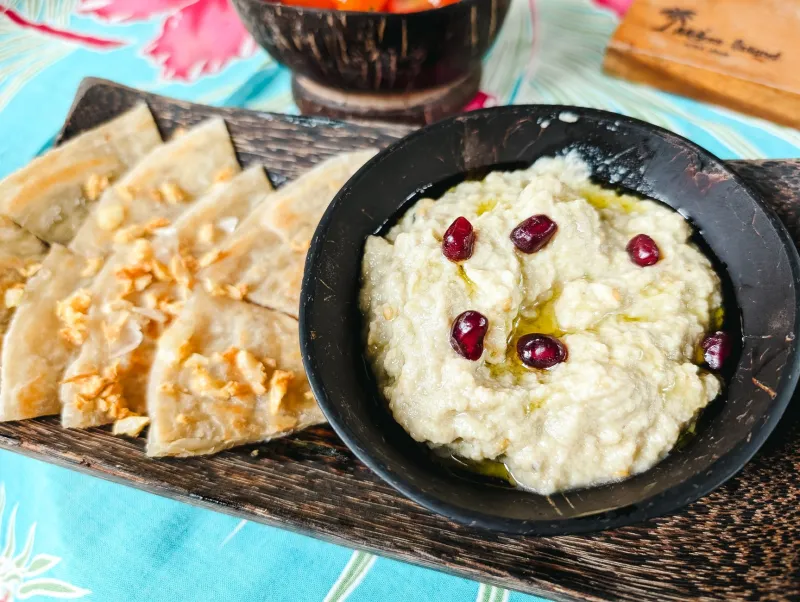
The anchor dips. Every great meze board starts with at least two dips. Hummus is non-negotiable — smooth, lemony, and finished with a generous pour of good olive oil and a dusting of paprika or sumac. Baba ghanouj brings a smoky counterpoint. If you want a third option, labneh (strained yogurt) dressed with za'atar and olive oil is creamy, tangy, and endlessly crowd-pleasing.
Something fresh. Tabbouleh — the real kind, heavy on flat-leaf parsley with just enough bulgur to hold it together — adds brightness and cuts through richer flavors. Fattoush, a crunchy salad with toasted pita chips and a pomegranate molasses dressing, works beautifully too.
Something warm. This is your wow factor. A small pile of freshly fried falafel, still crispy on the outside, or a few lamb or beef kofta skewers straight off the grill will make people genuinely excited. Warm pita — soft, slightly charred, torn into wedges — is essential for scooping.
The accents. Olives, pickled turnips (those gorgeous pink ones), pepperoncini, sliced cucumbers, cherry tomatoes, and fresh radishes fill the gaps and add crunch, color, and acidity. These little details are what make a board look abundant even when the cooking is minimal.
Something indulgent. A few cubes of good feta, a drizzle of pomegranate molasses over the hummus, or a small dish of roasted pine nuts scattered across a dip signals that you went the extra mile. It doesn't take much.
Scaling for Different Occasions
One of the best things about a meze board is how easily it scales up or down depending on your crowd.
Casual weeknight hangout (4–6 people): Two dips, pita, olives, cucumber slices, and one warm element like store-bought falafel heated in the oven. Done in under 20 minutes, looks like you planned it for days.
Weekend dinner party (8–12 people): Add tabbouleh, labneh, pickled vegetables, and homemade or bakery-fresh pita. Arrange everything on a large wooden board or a combination of small plates grouped together on a linen-covered tray. Light a candle nearby and call it atmosphere.
Summer backyard gathering (15+ people): Go full grazing table. Set out multiple boards with overlapping themes — one focused on dips and breads, one with fresh salads and vegetables, one with grilled bites. Let guests wander and graze at their own pace. This format is genuinely stress-free for the host because there's no plating, no timing, no orchestration required.
A Few Tips That Make All the Difference
Room temperature matters. Pull your dips out of the fridge at least 30 minutes before guests arrive. Cold hummus is fine; room-temperature hummus is revelatory.
Don't underestimate the power of garnish. A few sprigs of fresh mint, a handful of pomegranate seeds, or a light drizzle of olive oil over everything ties the board together visually and signals care.
Mix textures deliberately. You want something creamy, something crunchy, something soft, and something pickled all on the same board. That contrast is what keeps people coming back for another pass.
And finally — don't stress about making everything from scratch. Lebanese specialty stores and Middle Eastern grocery sections in major US supermarkets carry excellent ready-made hummus, baba ghanouj, and stuffed grape leaves. Use them. Add a squeeze of lemon, a drizzle of your best olive oil, a pinch of sumac, and they'll taste like you spent the afternoon cooking. Nobody needs to know.
The Real Point of It All
At Happy Bites LB, we talk a lot about the joy of Lebanese food — and the meze board might be the purest expression of that joy. It's generous by design. It's beautiful without being fussy. It welcomes everyone to the table and gives them something to talk about before the first course even officially begins.
The tired appetizer platter had a good run. But the meze board? It's got somewhere to be.