Sunday Prep, All Week Long: How Lebanese Mezze Became the Smartest Meal Strategy in America
Somewhere between a packed Monday schedule and a fridge full of sad, half-eaten takeout containers, a lot of Americans quietly gave up on meal prep. The Pinterest-perfect rows of identical chicken and rice just didn't stick. Too monotonous. Too joyless. Too easy to abandon by Wednesday.
But here's what's interesting: the Lebanese dining tradition has been quietly solving that exact problem for centuries — and people are finally catching on.
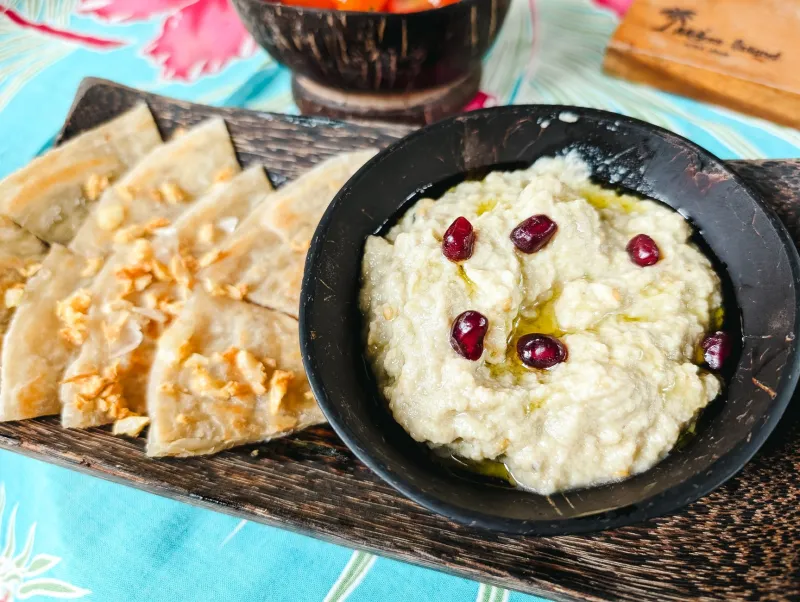
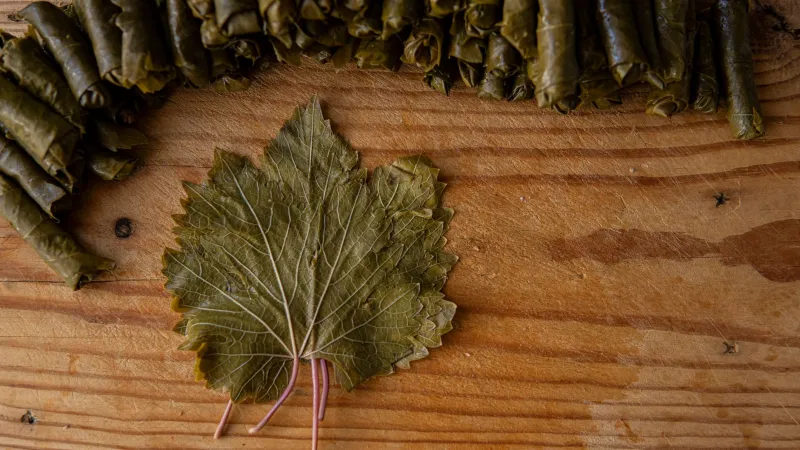
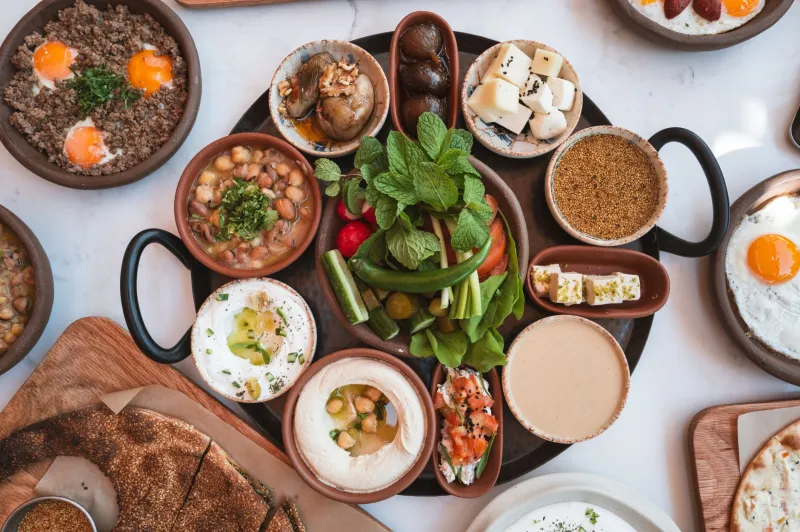
Mezze, the beloved Lebanese (and broader Levantine) spread of small, shareable dishes, was designed from the start to be communal, varied, and abundant. A proper mezze table might hold a dozen different preparations at once: creamy hummus, bright tabbouleh, smoky baba ghanouj, pickled vegetables, warm pita, stuffed grape leaves, labneh drizzled with olive oil. The whole point is that no two bites are exactly alike. And it turns out, that philosophy maps almost perfectly onto what nutritionists and behavioral psychologists have been telling us about sustainable eating habits for years.
Why Variety Is the Secret Weapon
One of the biggest reasons meal prep fails isn't laziness — it's flavor fatigue. When every lunch looks and tastes the same, your brain starts registering it as a chore rather than a reward. Research on eating behavior consistently shows that variety isn't just psychologically satisfying; it actually encourages better nutritional balance because different foods deliver different micronutrients your body genuinely needs.
Lebanese mezze is essentially a variety machine. A standard spread pulls from multiple food groups — legumes (hummus, fava beans), vegetables (roasted cauliflower, fattoush), fermented dairy (labneh), whole grains (bulgur in tabbouleh, whole wheat pita), and healthy fats (olive oil, tahini, walnuts). Preparing these components in bulk doesn't feel repetitive because the components themselves are so different from each other. You're not reheating the same thing five times. You're pulling from a rotating cast of flavors and textures.
The Batch-Cooking Reality Check
Here's the practical magic of mezze: most of its core components are genuinely low-effort to make in large quantities, and they hold up beautifully in the refrigerator.
Hummus, for instance, takes about fifteen minutes to make from scratch if you're using canned chickpeas, and a big batch will stay fresh in an airtight container for up to a week. Baba ghanouj — the smoky roasted eggplant dip — requires a little more hands-on time, but once the eggplants are charred (oven or open flame, both work), the whole thing comes together in minutes and lasts just as long. Labneh, the thick strained yogurt that's a staple on any Lebanese table, is even simpler: strain plain whole-milk yogurt overnight, season it with salt, and you've got a tangy, protein-rich spread that works on everything from pita to grain bowls to scrambled eggs.
Tabbouleh is a bit more delicate — the parsley wilts faster than other components — but even that can be prepped in stages. Chop the parsley and tomatoes, store them separately, and toss with bulgur, lemon, and olive oil the morning you plan to eat it. Ten minutes, done.
Roasted vegetables are arguably the unsung hero of the mezze prep approach. Cauliflower with cumin and turmeric, zucchini with sumac, beets with pomegranate molasses — these all roast in under 30 minutes, store easily, and add serious depth to any plate throughout the week.
Building Your Weekly Mezze Rotation
The goal isn't to recreate a full restaurant-style mezze spread every single day. The goal is to have a handful of components ready to go so that lunch or dinner comes together without stress.
A practical starting point for a Sunday prep session might look like this: make a large batch of hummus, roast two sheet pans of vegetables (different spice profiles for variety), prepare a container of labneh, cook a batch of bulgur or freekeh, and slice up some fresh vegetables for dipping and snacking. That's maybe 90 minutes of actual active cooking time, and it sets you up with the building blocks for five or six completely different meals.
Monday lunch: hummus bowl with roasted cauliflower, cucumber, and warm pita. Tuesday dinner: freekeh grain bowl with labneh, roasted beets, and a drizzle of olive oil. Wednesday: stuff some pita with hummus, roasted vegetables, and a handful of fresh herbs. Thursday: labneh flatbread with za'atar, served alongside a quick tomato salad.
Same components, completely different experiences. That's the mezze mindset in action.
The Cultural Logic That Makes This Work
It's worth pausing here to appreciate what Lebanese food culture actually values at the table. Mezze was never about minimalism or restriction. It was about generosity — making sure there was always something for everyone, always enough, always an invitation to try one more thing. The idea that a table should feel abundant is deeply embedded in Lebanese hospitality.
What American meal-preppers are discovering, perhaps without even framing it this way, is that cooking with that abundance mindset actually makes the whole process more enjoyable. When you're making hummus, you make a lot of it. When you roast vegetables, you fill the pan. You're not rationing; you're being generous with yourself and your household. That shift in framing — from restriction to abundance — changes how the whole week feels.
A Few Tips to Make It Stick
If you're new to this approach, a few small habits make a big difference.
Invest in good olive oil. It's the backbone of Lebanese cooking and it elevates everything it touches. A drizzle of quality extra-virgin olive oil over hummus or labneh is not a garnish — it's a flavor transformation.
Keep your spice drawer stocked with the basics: cumin, sumac, za'atar, allspice, cinnamon, and Aleppo pepper. These are the building blocks of Lebanese flavor, and they're what make roasted chickpeas taste completely different from roasted cauliflower even when both came from the same Sunday prep session.
Don't skip the acid. Lemon juice and pickled vegetables are everywhere in Lebanese cuisine for a reason. They brighten flavors, cut richness, and make everything taste more alive. A jar of pickled turnips in your fridge is a small thing that does a lot of work.
And finally — eat it the way it was meant to be eaten. Pull out a few containers, set them out together, and let the meal be a little spread rather than a single plate. Even if it's just you on a Tuesday night, that small act of presenting your food as a mezze rather than a meal changes the whole vibe. It's joyful. It's the whole point.
Lebanese food has always known something about eating well and eating happily. It just took the rest of us a little while to catch up.