Seven Jars, Fifty Dinners: Building Your First Lebanese Pantry for Under $20
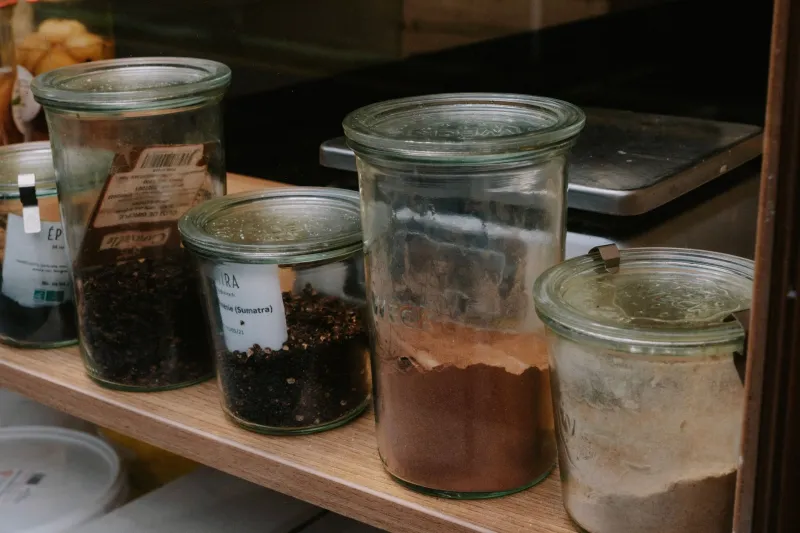
Walk into any Lebanese kitchen — Sitto's or otherwise — and you'll notice something reassuring. It's not crammed with hundreds of exotic bottles. It's a small, well-loved shelf of jars and bags that get used every single day. That's the secret. Lebanese cooking isn't about having everything; it's about having the right things.
Here's the good news for your wallet: you can build that shelf for about twenty bucks. Below are the seven workhorses of the Lebanese pantry, what they cost, where to track them down, and one dead-simple recipe to make each one earn its keep.
1. Tahini (about $4–6)
Sesame seed paste is the backbone of the Lebanese table. It's hummus, it's baba ganoush, it's the silky sauce drizzled over chicken shawarma and roasted cauliflower. Look for a brand with one ingredient — sesame — like the jars from Joyva or Seed + Mill.
Find it: Every major US grocery store now stocks it near the nut butters or in the international aisle.
Mini recipe — 2-minute tahini sauce: Whisk ½ cup tahini with the juice of one lemon, a crushed garlic clove, a pinch of salt, and cold water until it looks like heavy cream. Done. Pour it over everything.
2. Aleppo Pepper (about $4)
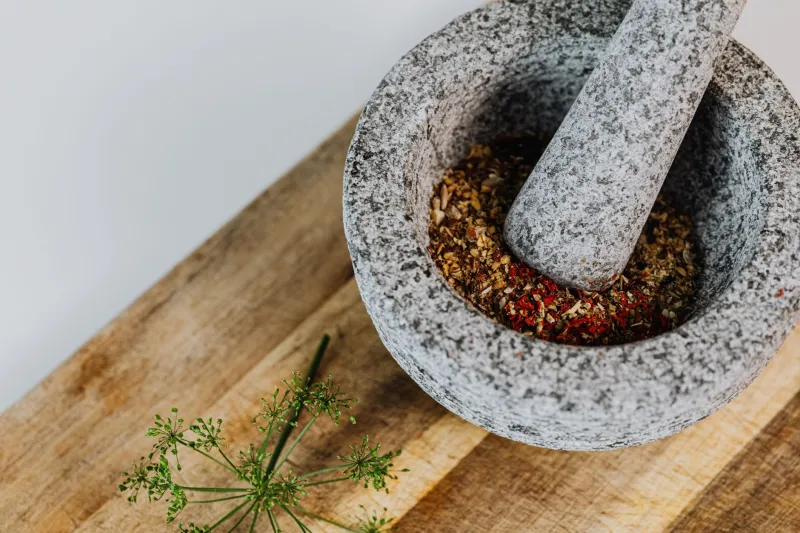
If you buy one spice from this list, make it this one. Aleppo pepper delivers a fruity, moderate heat — think half the punch of crushed red pepper with way more personality. Sprinkle it on eggs, hummus, roasted veggies, even chocolate ice cream (trust us).
Find it: Whole Foods, Penzeys, or online. If you're stuck, mix two parts paprika with one part cayenne.
Mini recipe: Toss 4 cups of popped popcorn with melted butter, Aleppo pepper, and sumac. Movie night, upgraded.
3. Sumac (about $3–5)
Lemon's earthier, moodier cousin. Sumac is a dried berry ground into a deep-red powder that adds brightness without acidity's bite. It's what makes fattoush taste like fattoush.
Find it: Most supermarkets carry it now; Middle Eastern grocers sell it cheaper by the bagful.
Mini recipe — 10-minute fattoush-ish salad: Chop cucumbers, tomatoes, and radishes, tear in some toasted pita, dress with olive oil, lemon, and a generous dusting of sumac.
4. Dried Mint (about $2–3)
Fresh mint gets the glory, but dried mint is the quiet workhorse — it infuses yogurt sauces, teas, and labneh with a mellow, almost green flavor.
Find it: The spice aisle, or dry your own if you've got a patch of mint taking over the garden.
Mini recipe: Stir a teaspoon into plain Greek yogurt with a little salt and garlic. Instant sauce for grilled meat or warm pita.
5. Orange Blossom Water (about $3–4)
This is the joy in Happy Bites. A few drops perfume lemonade, rice pudding, and the famous Lebanese layali Lebanon semolina dessert. It's floral without being soapy — start small.
Find it: Look for Cortas or Al Wadi brands in the international aisle, or grab it at any Middle Eastern market.
Mini recipe: Mix fresh lemonade, then stir in ¼ teaspoon orange blossom water per pitcher. Summer in a glass.
6. Freekeh (about $5)
Young green wheat that's been smoked over fire — freekeh tastes like the campfire version of brown rice, with triple the fiber. It's the base for pilafs, grain bowls, and hearty soups.
Find it: Trader Joe's has carried it, as do Whole Foods and online retailers. Substitute bulgur or farro in a pinch.
Mini recipe: Simmer 1 cup freekeh in 2½ cups salted water for 20 minutes, then fold in toasted almonds, chopped parsley, and a squeeze of lemon.
7. Pomegranate Molasses (about $4–5)
A reduction of pomegranate juice that's sour, sweet, and intensely dark. It's the finishing glaze on muhammara, the zing in dressings, the secret in marinades.
Find it: Widely available — look near the vinegars or international foods.
Mini recipe: Whisk 1 tablespoon with 3 tablespoons olive oil and drizzle over roasted Brussels sprouts. Watch them disappear.
Your First Week, Mapped Out
Here's the fun part: with these seven jars, you can already cook a mezze night (hummus, fattoush, tahini sauce), a weeknight dinner (freekeh pilaf with spiced chicken), and dessert (orange blossom rice pudding). That's the Lebanese way — a modest pantry, used generously, shared widely.
Skip the imported pomegranate molasses hype and the fancy spice tins. Twenty dollars, seven ingredients, and your kitchen just got a lot happier.