Forget the Fancy Table Setting: Why Lebanese-Style Hosting Is the Future of American Dinner Parties
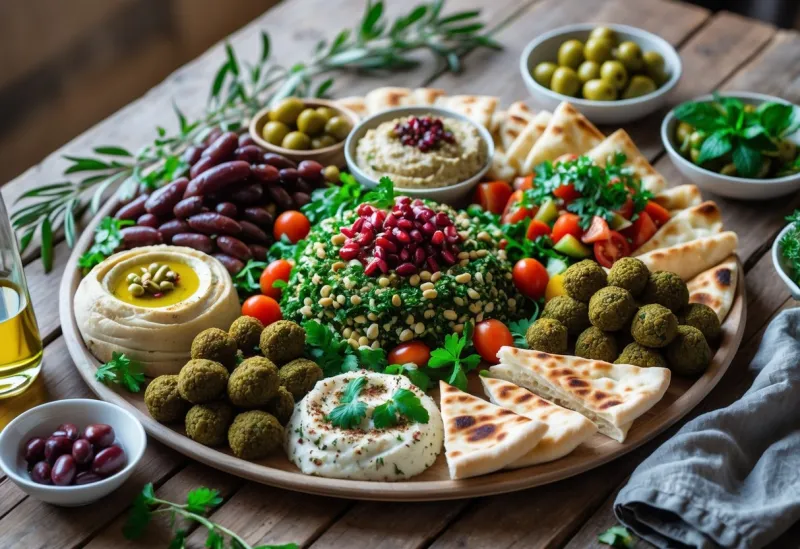
Photo: Lebanese mezze spread outdoor backyard gathering friends, via amazingfoodanddrink.com
Let me paint you a picture of a Lebanese gathering done right.
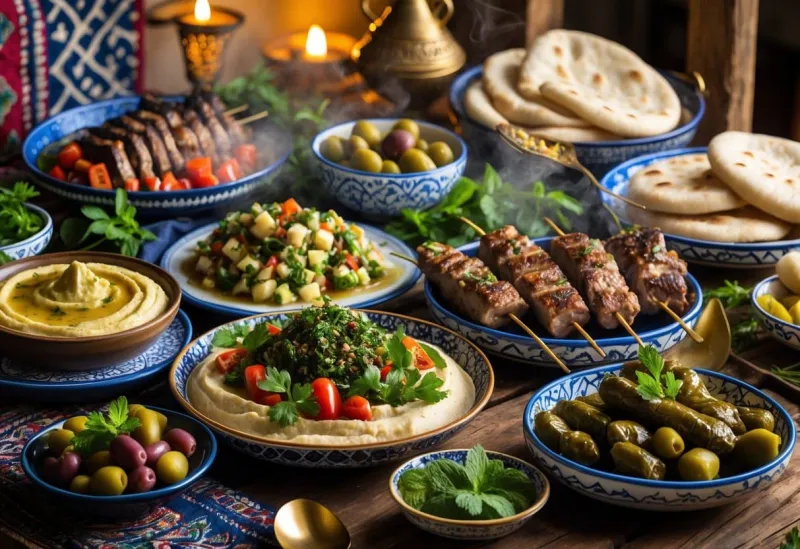
The table — actually, several tables pushed together — is already covered in food before anyone sits down. There are dips and salads and warm bread and pickled vegetables. People are standing, eating, talking loudly, refilling each other's plates without asking. The host is not hovering anxiously in the kitchen. The host is at the table, pouring drinks and laughing. Nobody is waiting for the right moment to start eating. The food is the moment.
Now compare that to the American dinner party in its most stressful form: the carefully timed courses, the matching cloth napkins, the low-grade panic about whether the roast is going to be ready on time, the silence that falls when nobody knows if it's okay to start yet.
One of these sounds like fun. The other sounds like a job.
And increasingly, American hosts are noticing the difference.
The Dinner Party Is Having an Identity Crisis
For a long time, formal entertaining was aspirational in American culture. The perfectly set table, the multi-course meal, the whole production — it signaled that you had your life together. It was a performance as much as a meal.
But something has shifted. After years of pandemic-era kitchen experimentation, a broader cultural interest in Mediterranean and Middle Eastern food, and — let's be honest — a collective exhaustion with performative perfectionism, people are hungry for a different kind of gathering. Something warmer. Something less stressful. Something where the point is actually being together rather than impressing each other.
Enter Lebanese hospitality. Not as a trend, but as a genuinely different philosophy about what it means to have people in your home.
What Lebanese Hospitality Actually Means
In Lebanese culture, the word ahlan wa sahlan — a traditional greeting meaning something close to "welcome, you are among family" — isn't just a phrase. It's a posture. It's a whole approach to how you treat the people who walk through your door.
The core idea is abundance. Not expensive abundance — Lebanese entertaining isn't about showing off what you can afford. It's about showing people that you thought of them, that you prepared for them, that there is more than enough. A Lebanese host would rather have leftovers for a week than have a guest feel like they couldn't take seconds.
Then there's the communal nature of the meal. Lebanese food is almost never plated individually. Everything comes out together, placed in the center of the table, and everyone reaches for what they want. This might sound like a small thing, but it changes the entire energy of a meal. There's no hierarchy of who gets the biggest portion. There's no waiting to be served. You're all in it together.
And the timing? Loose. Meals stretch because conversation stretches. Nobody's watching the clock. The table doesn't clear until people are ready to leave it.
Why This Works So Well in an American Context
Here's the thing about Lebanese-style entertaining: it's actually easier than the formal dinner party model, not harder. And Americans are starting to figure that out.
When you serve mezze — that glorious spread of small dishes that forms the heart of Lebanese social eating — you're not racing against a timer. Hummus doesn't get cold. Fattoush doesn't need to be served at a precise moment. Baba ghanouj is just as good at 7:30 as it was at 7:00. You make things ahead, you put them on the table, and you're done. The kitchen frees you up to actually be present with your guests.
There's also something deeply inclusive about the mezze format. Got a vegetarian coming? A gluten-sensitive friend? Someone who doesn't eat red meat? A Lebanese spread almost always has something for everyone, without anyone having to make a big deal about it. The variety is built in.
And for hosts who've been burned by the pressure of a single centerpiece dish — the roast that didn't rest long enough, the soufflé that fell — spreading the focus across a dozen smaller dishes takes the heat off. If one thing doesn't come together perfectly, nobody notices. The table is already full.
Practical Ways to Bring This Energy to Your Next Gathering
You don't need to be Lebanese to host like this. You just need to loosen your grip on control a little.
Start with the table, not the kitchen. Set out your dips, your bread, your olives, your salads before guests arrive. Let the table look generous and ready before anyone sits down. That visual abundance immediately signals: relax, there's plenty.
Let people eat when they're hungry. Resist the urge to announce that dinner will be served at a specific time. Put the food out and let the meal find its own rhythm. People will graze, gather, come back for more. That's the whole point.
Cook things that hold. Lebanese recipes are actually ideal for entertaining because so many of them taste better after they've had time to sit. A pot of lentil soup, a pan of sfeeha, a platter of kibbeh — these dishes don't require last-minute heroics. They reward patience.
Bring people into the process. In Lebanese homes, guests often end up in the kitchen, helping roll something or squeeze lemons. That's not a failure of hosting — it's the whole vibe. Cooking together is socializing. Let it happen.
Make more than you think you need. This is non-negotiable. The Lebanese instinct to over-prepare is actually a form of generosity, and it removes the anxiety of running out. Plus, your guests will love going home with a container of leftovers.
The Joy Is the Point
At Happy Bites LB, we believe food is at its best when it's shared without stress. Lebanese culture figured this out a long time ago — that the goal of a gathering isn't to impress anyone, it's to make everyone feel genuinely welcome and genuinely fed.
The formal American dinner party had its moment. But if you're looking for something that actually feels good — for you as the host and for everyone you invite — it might be time to push the tables together, pile on the mezze, and let the meal be as long and loud and full as it wants to be.
Ahlan wa sahlan. There's room for everyone.